
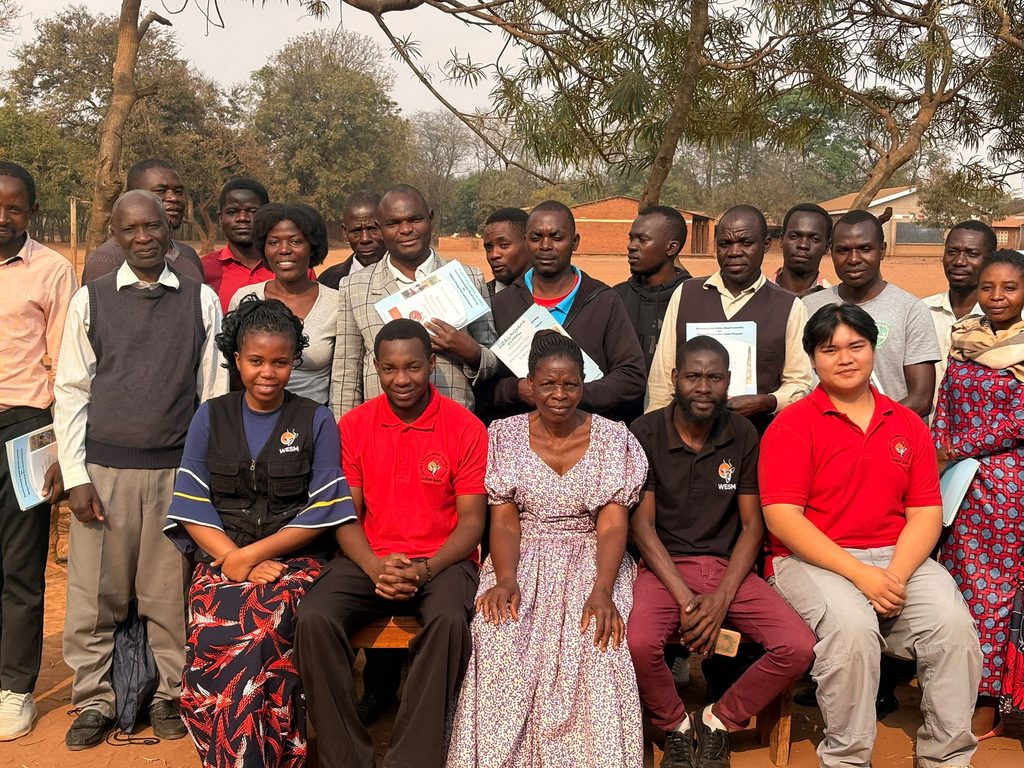
What happens when teachers are given the knowledge, tools and space to learn from one another? Wildlife clubs become more than school activities, they become platforms for raising a generation that understands and cares for nature. This was the spirit behind the Wildlife Clubs’ Conferences held in Lilongwe Rural East and West on 18 and 24 August 2026, respectively.
Organised with support from World University Service of Canada (WUSC) Volunteer Communications Advisor Renato Calasanz through a Volunteer Fund Project, and implemented in collaboration with the Wildlife and Environmental Society of Malawi (WESM) Lilongwe Branch, the two conferences brought together teachers, Wildlife Club Patrons and Matrons, and Primary Education Advisors to reflect on what it takes to build stronger and more active wildlife clubs.
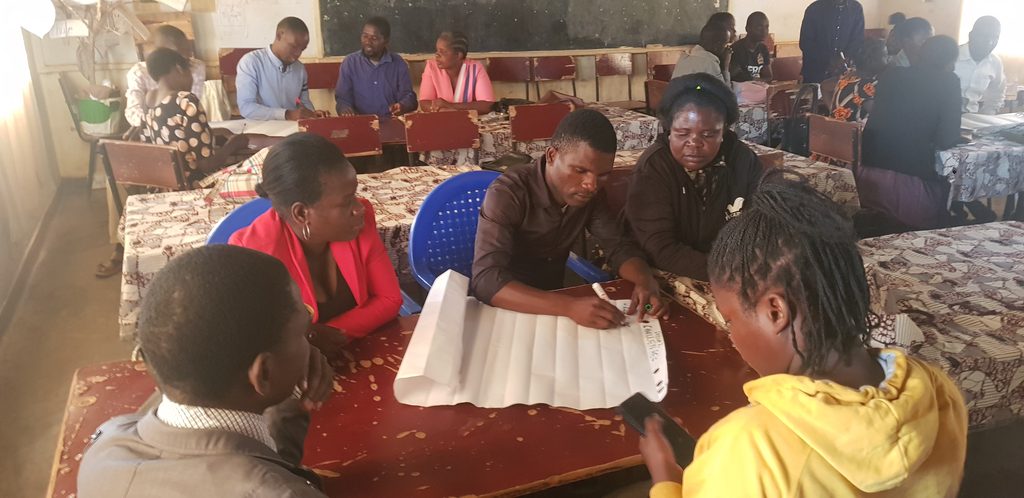
The first conference was held at M’balang’ombe Teacher Development Centre in Lilongwe Rural East, followed by a second session in the Ndaula Education Zone in Lilongwe Rural West. Holding two events with different groups of participants helped extend the initiative’s reach to more schools with existing wildlife clubs. The conferences began by giving teachers an opportunity to openly discuss the challenges they face in running wildlife clubs. Across both sessions, participants identified student motivation, limited funding and educational materials, low motivation among Patrons and Matrons, and limited knowledge of environmental education as some of the major barriers.
But the conversations did not stop at the challenges. Working in groups, teachers shared practical approaches that have worked in their schools. Tree planting and care, songs, drama and educational games emerged as some of the most effective ways of making environmental education interactive and keeping learners engaged. The exchange demonstrated an important lesson: many solutions already exist within schools and communities; what is often needed is a platform to share them.\
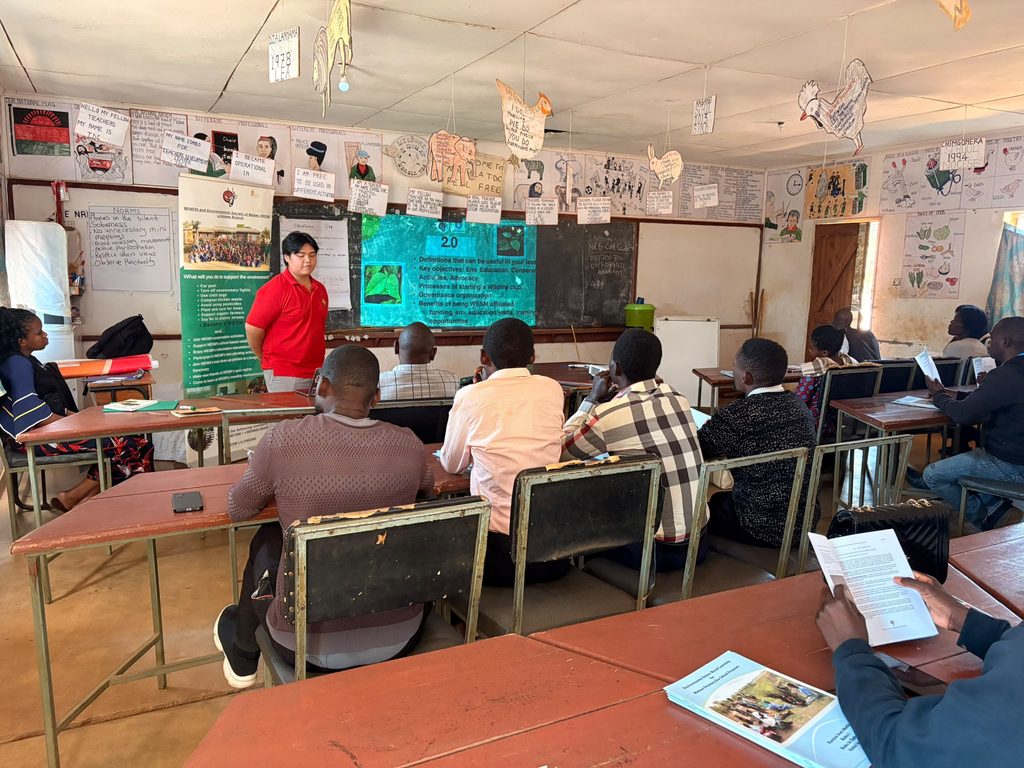
A central part of the conference was the introduction of the WESM Wildlife and Environment Club Patron’s and Matron’s Guidebook. The guidebook provides practical support for teachers, covering areas such as wildlife club management, environmental education activities and key environmental issues. Each participating Patron and Matron received a physical copy, together with additional environmental education materials to take back to their schools.
Participants also explored wildlife club coordination, safeguarding, fundraising and resource mobilisation. The wildlife club coordination session was facilitated by Everson Mkhaya, WESM Environmental Education Coordinator, while Temwanani Kalulu, WESM MERL Officer, facilitated sessions on safeguarding and resource mobilisation. With funding for environmental initiatives becoming increasingly difficult to secure, the resource mobilisation session encouraged teachers to think creatively about how their clubs can sustain activities using locally available opportunities and partnerships. Safeguarding was also placed at the centre of the discussions, reinforcing the importance of creating safe and supportive environments for children participating in school-based environmental activities.
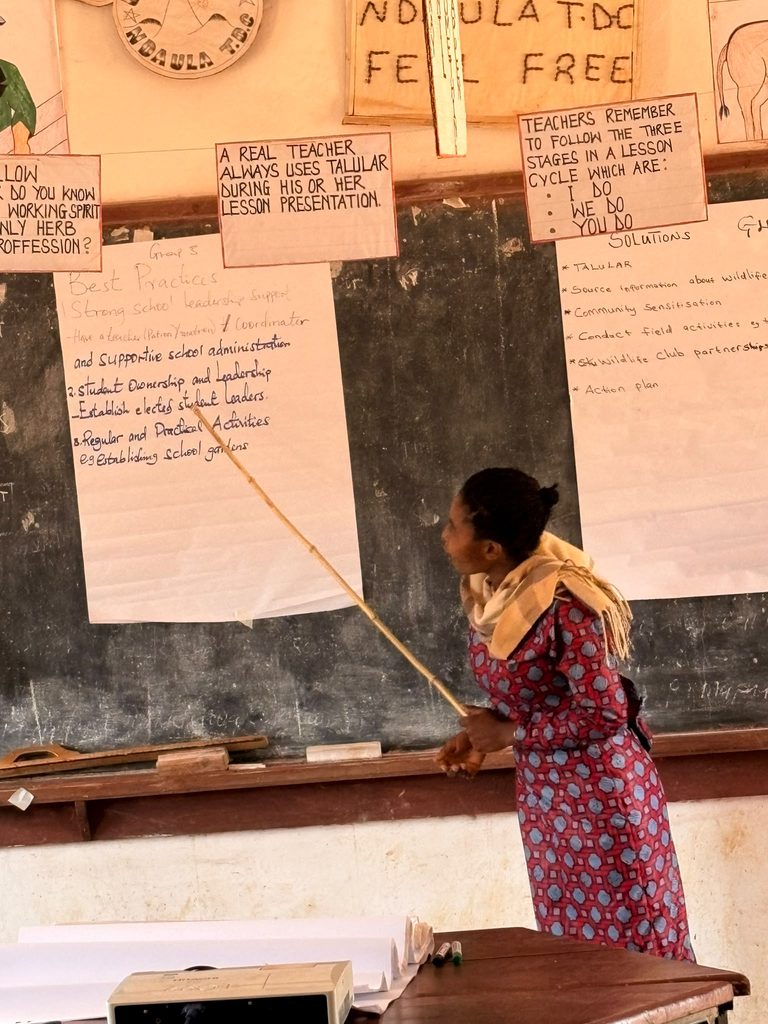
The two conferences reached 49 participants, with women representing 40% of participants and young people aged between 18 – 34 accounting for 56%. However, the impact of the conferences is intended to extend beyond the two days. WhatsApp groups were established to provide a continued platform for teachers and wildlife club leaders to share ideas, communicate, learn from one another and coordinate future activities.
For WESM, strengthening wildlife clubs is ultimately about more than improving club management. It is about creating opportunities for young people to experience nature, understand the environmental challenges around them and develop the confidence to become environmental stewards in their schools and communities.
When teachers are equipped, wildlife clubs become stronger. And when wildlife clubs become stronger, the next generation gains a stronger connection to the natural world.