
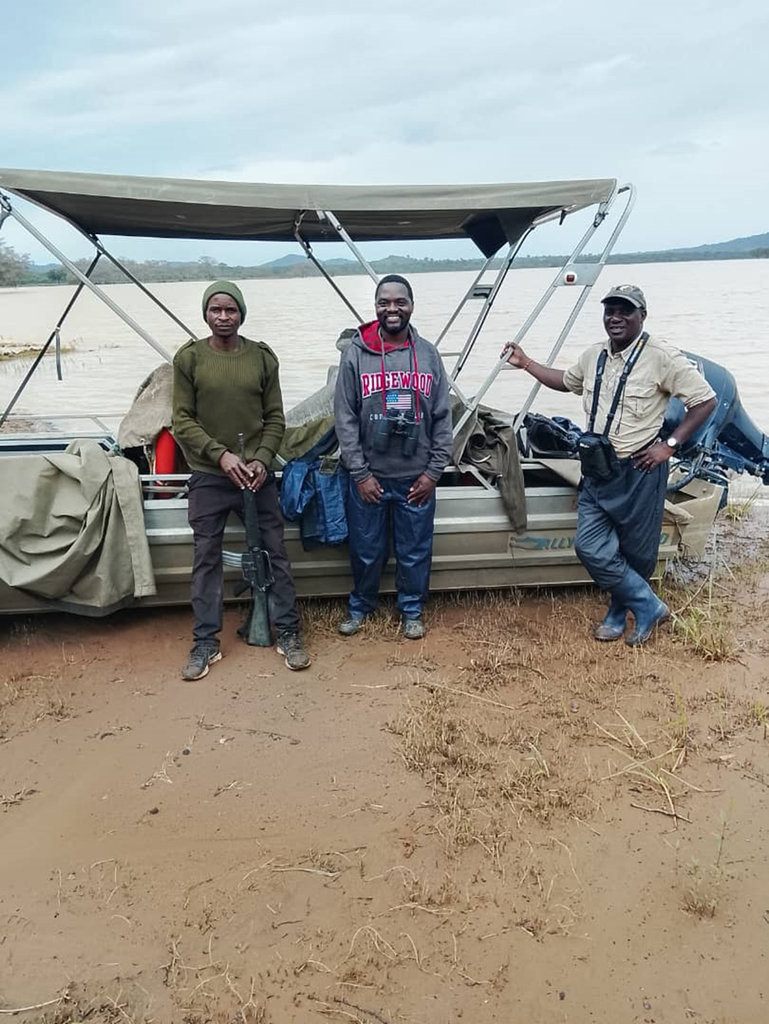
Before the sun had fully broken through the morning clouds, the wetlands of northern Malawi were already alive. Across the waters of Lake Kazuni and along the South Rukuru River, birds moved between open water, riverbanks and surrounding woodland. For two days in January 2026, WESM field teams carefully watched, listened and recorded turning every sighting into valuable evidence for the conservation of one of Malawi’s important wetland ecosystems.
From 24 to 25 January 2026, the Wildlife and Environmental Society of Malawi (WESM) Mzuzu, conducted a wetland bird count at Lake Kazuni and along the South Rukuru River within Vwaza Marsh Wildlife Reserve, Rumphi. The activity formed part of the national wetland bird monitoring programme, generating information that contributes to conservation planning at both national and international levels. The team recorded 70 bird species, comprising 20 wetland species and 50 woodland and associated species found within the surrounding riverine habitats. A total of 277 individual wetland birds were counted, with the Egyptian Goose emerging as the most abundant species, accounting for 138 individuals.
The survey also produced a particularly notable observation: a Goliath Heron, a species that has not been frequently recorded in the area in recent years. Such sightings underline the importance of continued monitoring, as changes in species presence and abundance can provide valuable clues about the health and dynamics of wetland ecosystems. Beyond the open waters, the woodland habitats along the South Rukuru River support a diverse range of birdlife, including hornbills, doves, kingfishers and flycatchers. The Woodland Kingfisher, a migratory species, was particularly common during the survey, reflecting its seasonal presence in Malawi during the rainy period.
Together, these observations paint a picture of a wetland landscape that remains biologically rich and interconnected where the health of water, vegetation and surrounding woodland directly influences the diversity of wildlife it supports. While the survey recorded an impressive diversity of birds, the number of species observed was lower than in some previous counts. One likely explanation was the unusually high water level during the survey period. Lake Kazuni and the South Rukuru River had experienced extensive flooding, reducing exposed feeding areas and altering parts of the vegetation structure.
For birds that depend on shallow water, exposed mudflats and accessible feeding grounds, these changes can have immediate consequences. Some species may have temporarily moved to other sections of the wetland, either upstream or downstream, where suitable feeding and resting areas remained available. The situation demonstrates an important reality of wetland conservation: wetlands are dynamic ecosystems, and wildlife responds continuously to changes in water, vegetation and weather.
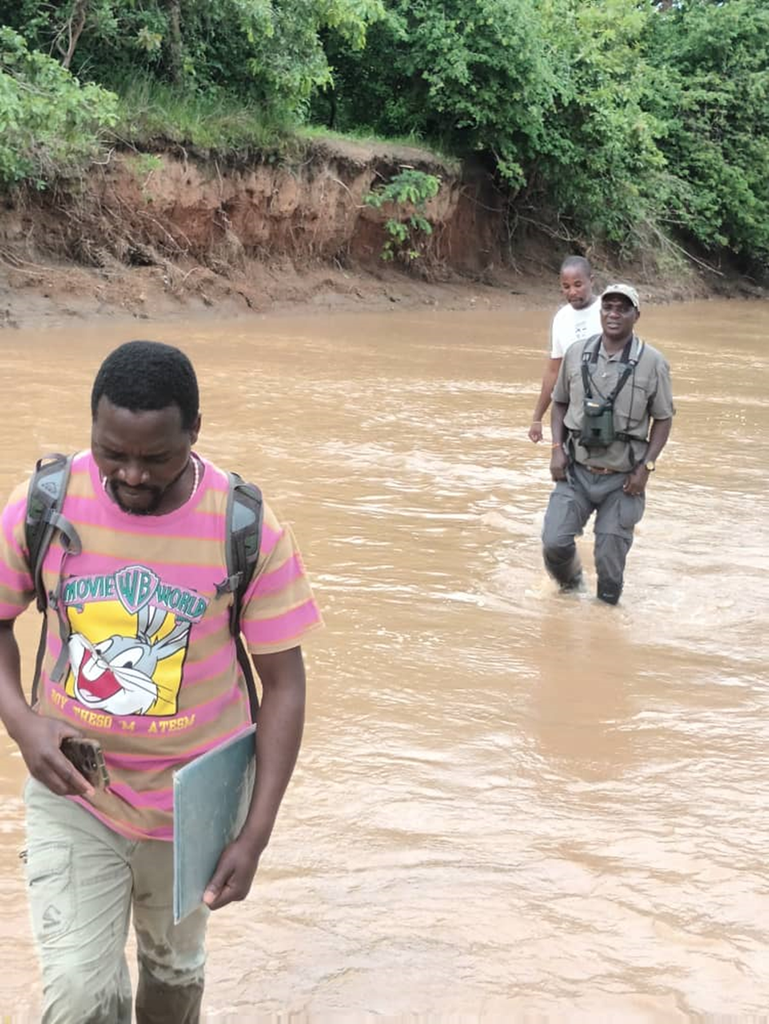
The Lake Kazuni–South Rukuru wetland system forms part of a wider ecological network in northern Malawi. Its importance extends well beyond the birds recorded during the January survey. The wetland provides habitat for resident and migratory species and falls within the range of the Grey Crowned Crane, an endangered species of significant conservation concern. During the January count, the WESM team worked through persistent morning rainfall and poor visibility, particularly on the first day. These conditions reduced visibility and coincided with periods of low bird activity, potentially affecting the number of birds detected. The team also experienced tsetse fly bites, adding another challenge to fieldwork in the reserve.
Despite these difficulties, the survey was completed, providing another important dataset for understanding bird populations and wetland conditions at Vwaza Marsh. Such challenges also highlight the importance of experienced field teams, careful planning and repeated monitoring when collecting biodiversity data under changing environmental conditions.
The January 2026 bird count at Vwaza Marsh demonstrates the role that evidence-based monitoring plays in protecting Malawi’s natural heritage. Every species recorded, every individual counted and every change observed contributes to a growing body of knowledge about the country’s wetlands. That knowledge can help WESM, government institutions, researchers and conservation partners make better-informed decisions about how these ecosystems should be managed and protected.
For WESM, monitoring is therefore not an end in itself. It is part of a broader commitment to science-based conservation, environmental stewardship and the protection of ecosystems that sustain both wildlife and people.