
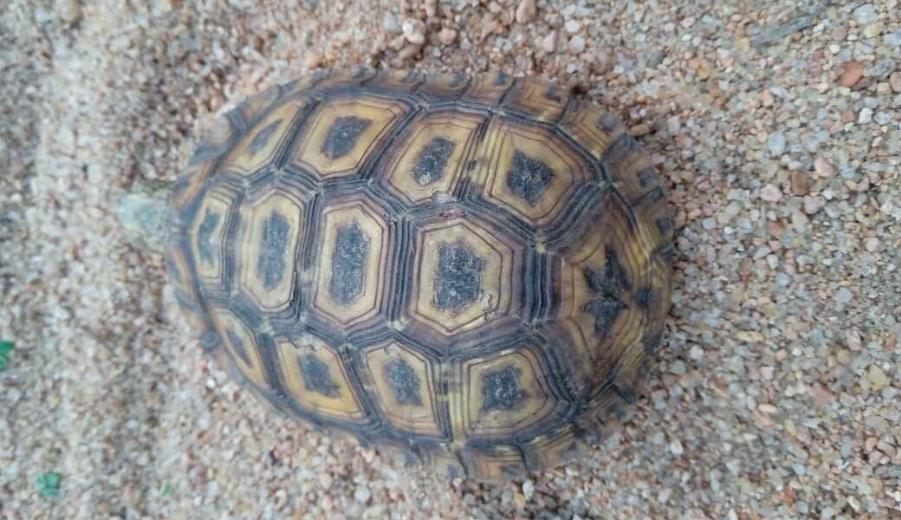
A recent conservation research initiative has generated important baseline data on freshwater turtles in Mangochi District, providing new insights that can strengthen protection efforts for some of Malawi’s least studied and most vulnerable aquatic species. The research project was implemented by the Wildlife and Environmental Society of Malawi (WESM) Monkey Bay branch with funding from The Turtle Conservation Fund and Chelonian Research Foundation.
The study focused primarily on two freshwater turtle species namely; the Zambezi Flapshell Turtle and the Helmeted Turtle and sought to understand their occurrence, abundance, habitat use, and the key threats they face across major aquatic ecosystems in the district.
Building Community Partnerships for Conservation
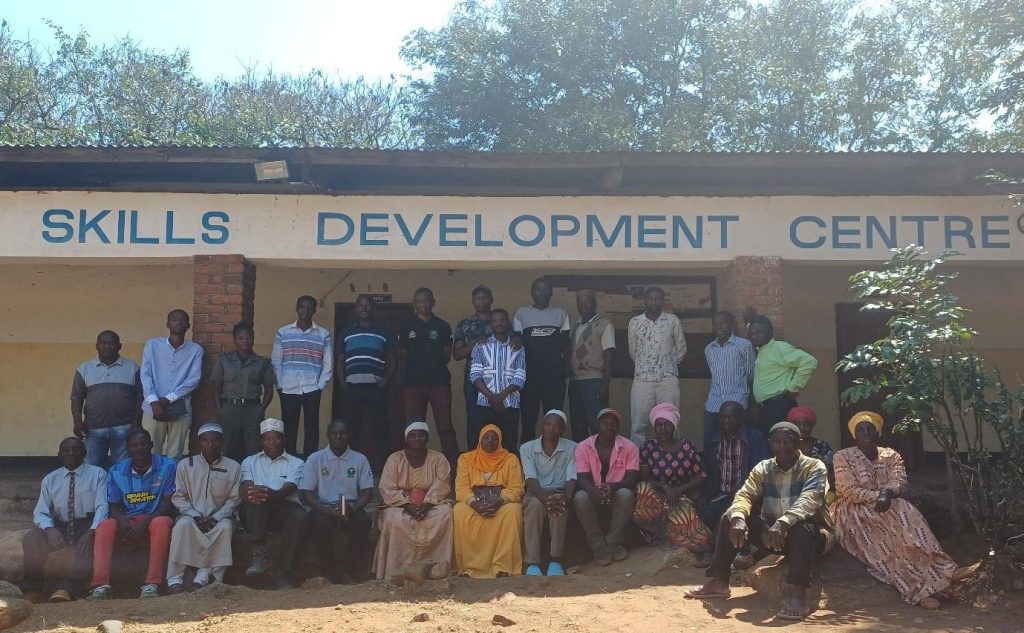
A central achievement of the project was the establishment of a strong community-based monitoring network. Researchers worked closely with Beach Village Committees (BVCs) and local leaders along the shores of Lake Malawi, Lake Malombe, and the Shire River.
Through sensitisation meetings held in 27 fishing communities, the project mobilised fishermen, farmers, chiefs, and conservation volunteers to serve as key informants. Awareness posters and educational materials encouraged communities to report turtle sightings, helping to establish a citizen science network that now contributes valuable ecological information.
Local Knowledge Highlights Population Concerns
Using interview-based surveys with 163 respondents from 18 villages, the research documented community observations of the Zambezi Flapshell Turtle across several water bodies in Mangochi District.
Most respondents reported only rare encounters with turtles, suggesting relatively low population densities. Fishermen also indicated that turtle numbers appear to be declining, with accidental capture in fishing gear identified as one of the most significant threats.
While turtles are occasionally used for food, traditional medicine, fishing bait, or small-scale trade, the study found that exploitation is generally opportunistic rather than targeted.
The research also highlighted the role of cultural practices in shaping human–wildlife interactions. Turtle consumption was largely absent in communities dominated by the Yao ethnic group, but occurred more frequently in some resettled communities.
Community Science Expands Species Records
Through the citizen science reporting network, the project documented 45 turtle sightings across 10 locations in Mangochi District.
Although the study primarily focused on two species, community reports also revealed the presence of several additional turtle and tortoise species, including Bell’s Hinged Tortoise, Leopard Tortoise, Serrated Hinged Terrapin, and the Yellow-bellied Mud Turtle.
Many sightings occurred when turtles were accidentally caught in fishing gear. Community members were encouraged to safely release captured turtles, and in several cases provided video documentation of these releases.
Engaging the Next Generation of Conservationists
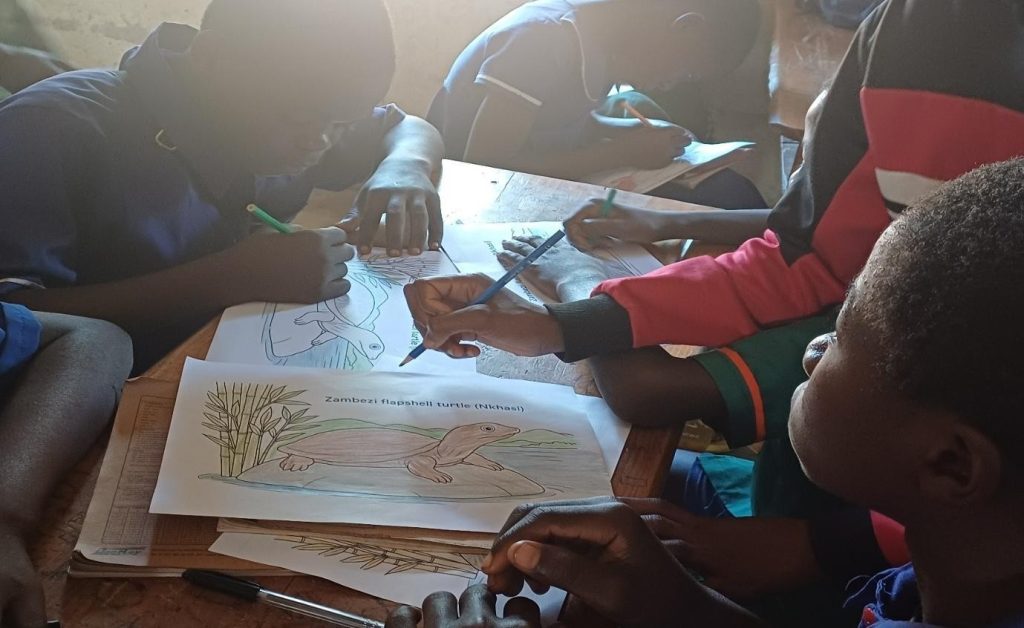
The project also invested in youth engagement by delivering wildlife education sessions in eight school wildlife clubs located in areas where turtle sightings are frequently reported.
These sessions introduced students to the ecological importance of freshwater turtles and highlighted the role healthy aquatic ecosystems play in supporting biodiversity and community livelihoods.
A Foundation for Future Conservation
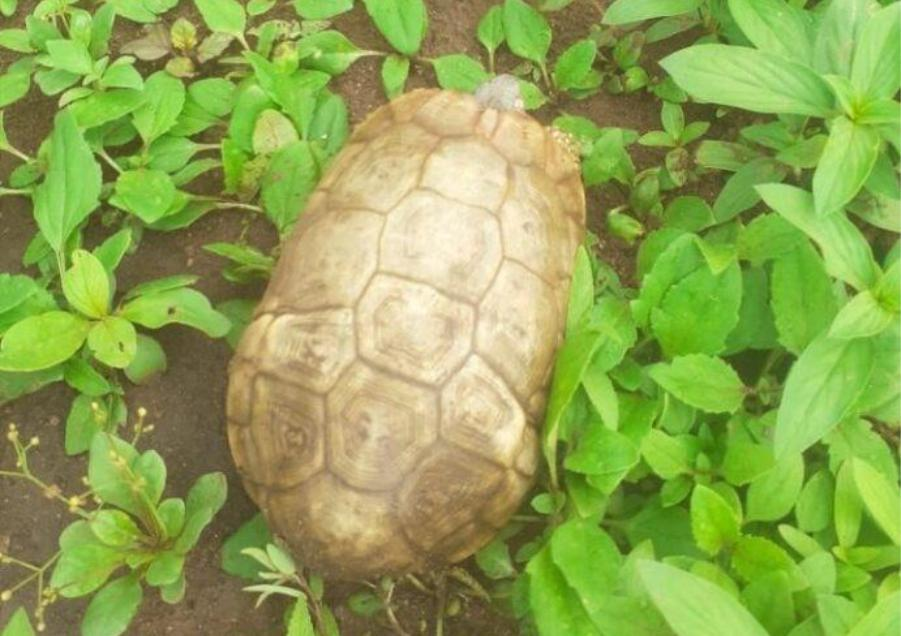
The findings provide some of the first community-informed baseline data on freshwater turtles in the Mangochi region. They also demonstrate the value of integrating traditional ecological knowledge with scientific research when studying rare and elusive species.
Importantly, the project has established a local network of conservation partners who will continue reporting turtle sightings and promoting the safe release of turtles caught during fishing activities.
Continued monitoring, community engagement, and environmental education will be essential to safeguard freshwater turtles and the fragile ecosystems they depend on.
Download the Full Report
For detailed findings, survey results, and conservation recommendations, readers can download the full project report below: