
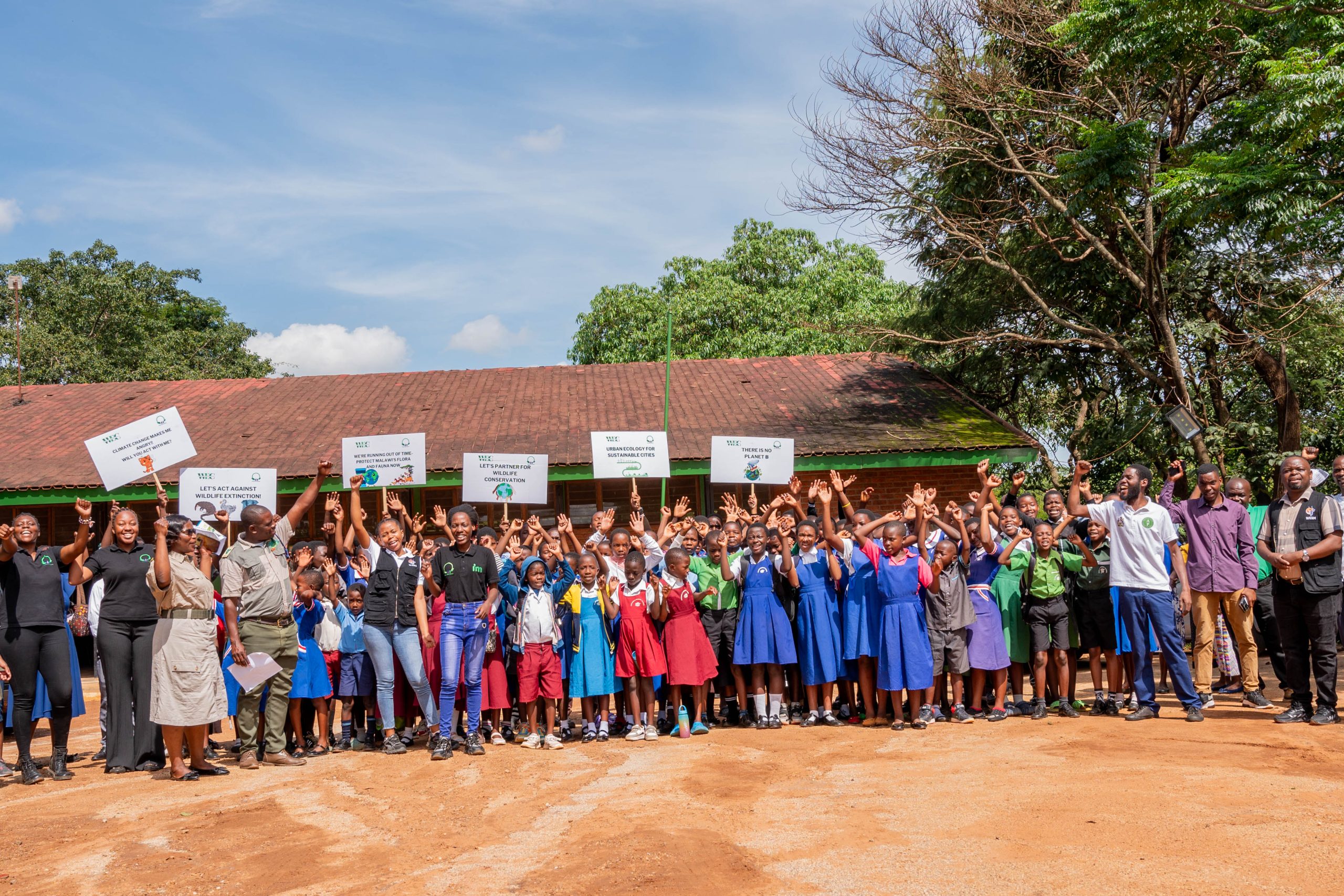
On March 4th, 2025, the Wildlife and Environmental Society of Malawi (WESM), Lilongwe Branch proudly hosted a commemorative event marking International Wildlife Day. The event was organized in partnership with the Department of National Parks and Wildlife, Devecon Nature Trails and Green Girls Platform. Held at the Lilongwe Nature Sanctuary, the event brought together a diverse group of participants, including students, WESM Lilongwe members, the media, community members, and conservation professionals, all united under the theme “Wildlife Conservation Finance: Investing in People and Planet.” World Wildlife Day is celebrated annually on March 3rd to raise awareness about the world’s wild animals and plants and to highlight the urgent need for their conservation. This year also marks the 50th anniversary of the Convention on International Trade in Endangered Species of Wild Fauna and Flora (CITES), which plays a crucial role in regulating international wildlife trade.
In his speech, WESM Branch Manager Mr. Chifundo Dalireni emphasized the importance of involving young people in conservation: “Engaging children in wildlife conservation is key to fostering a deeper understanding of wildlife conservation. It encourages them to be actively involved in preserving Malawi’s rich biodiversity. This day offers a vital platform to raise awareness about the importance of wildlife in tourism and the economy of Malawi. By working with learners in schools, we are planting the seeds for long-term conservation efforts.” His words resonated with the event’s core message that sustainable wildlife protection relies not only on financial investment but also on cultivating a conservation-conscious generation.

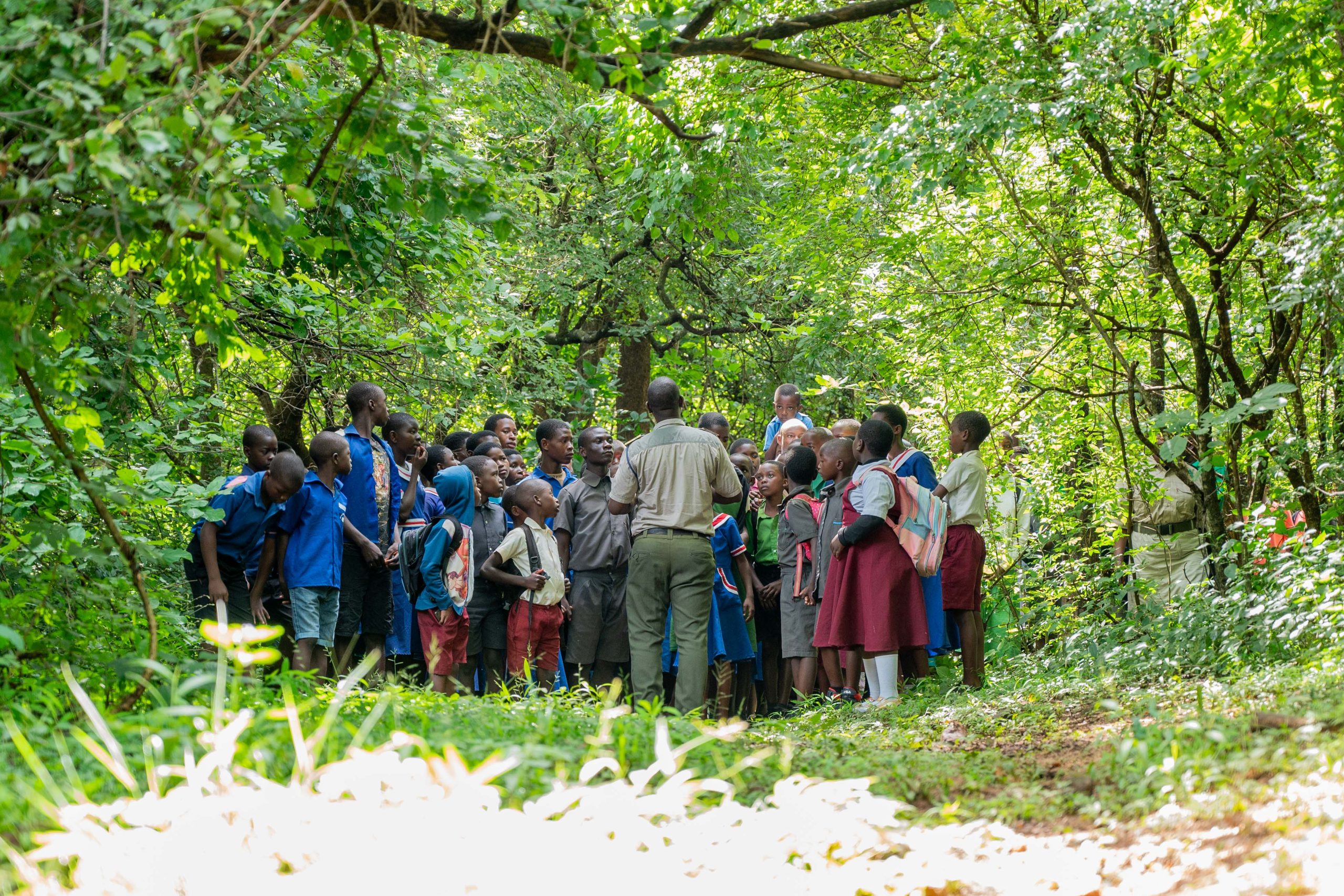
The day began with a Rangers Parade by the Department of National Parks and Wildlife, recognizing the bravery and dedication of rangers who work tirelessly to protect Malawi’s wildlife. Following the parade, attendees were invited to take part in an environmental trail walk through the Lilongwe Nature Sanctuary. This guided walk was both educational and immersive, providing participants with firsthand exposure to the sanctuary’s biodiversity. An environmental education session during the walk highlighted the significance of preserving Malawi’s ecosystems and the role that every individual can play in conservation.
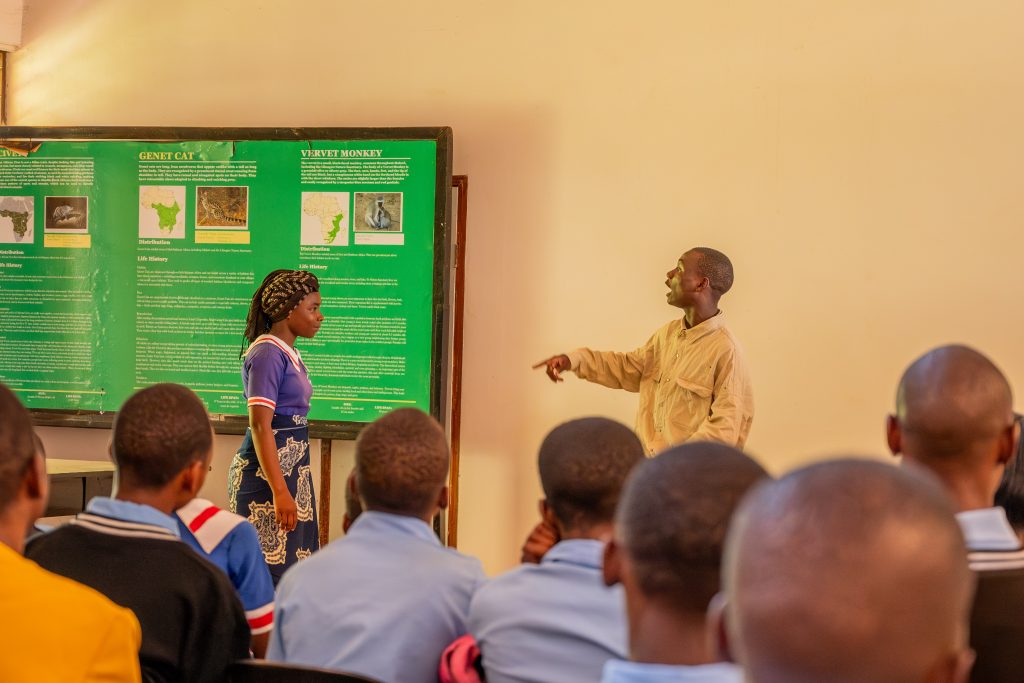
One of the standout moments of the day was the student performances, which included dramatic skits, poems, and songs. Students from several primary and secondary schools, including Chimutu, Nanjati, Biwi, Chiuzira, Mitundu, Ngowi, Mzumazi, Bunda, Chipasula, Mwala wa Ng’ome, and Cheminadi Private, passionately conveyed messages about the importance of wildlife protection. The creative expressions from these young people served as a powerful reminder that the next generation is key to the future of conservation.
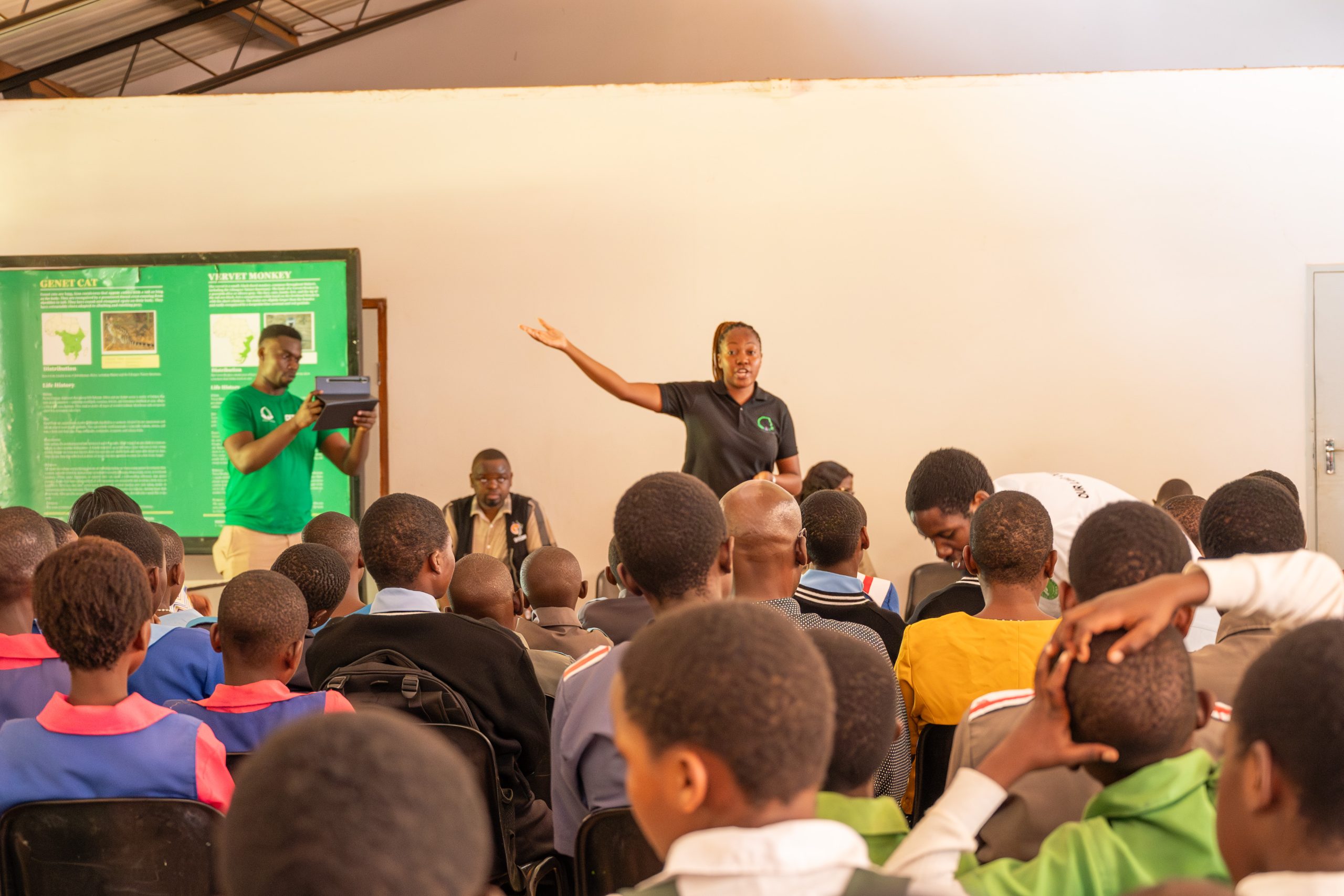
“It’s incredible to witness the enthusiasm and passion of these young people. Their performances not only celebrate wildlife but also demonstrate the critical role they will play in safeguarding our planet’s biodiversity,” said Dorothy Kazombo Mwale, the Executive Director of the Green Girls Platform. She stressed the importance of environmental education in empowering youth: “Through environmental education, we enable young people to become ambassadors of change. They can share their knowledge with their peers, families, and communities, multiplying the impact of conservation messages.”
Mr. Chifundo Dalireni, further commended the Government of Malawi for its continued efforts in wildlife conservation, despite the significant challenges posed by illegal wildlife trade and poaching. He stated, “As WESM, we are deeply grateful for the strong and ongoing support we receive from government as one of our key stakeholders. The government has been steadfast in its commitment to wildlife conservation and through collaboration between WESM and government ministries and departments, including the Department of National Parks and Wildlife and the Environmental Affairs Department, has been instrumental in advancing our collective conservation goals. This collaboration ensures that we continue to work towards a sustainable future for both wildlife and local communities.”
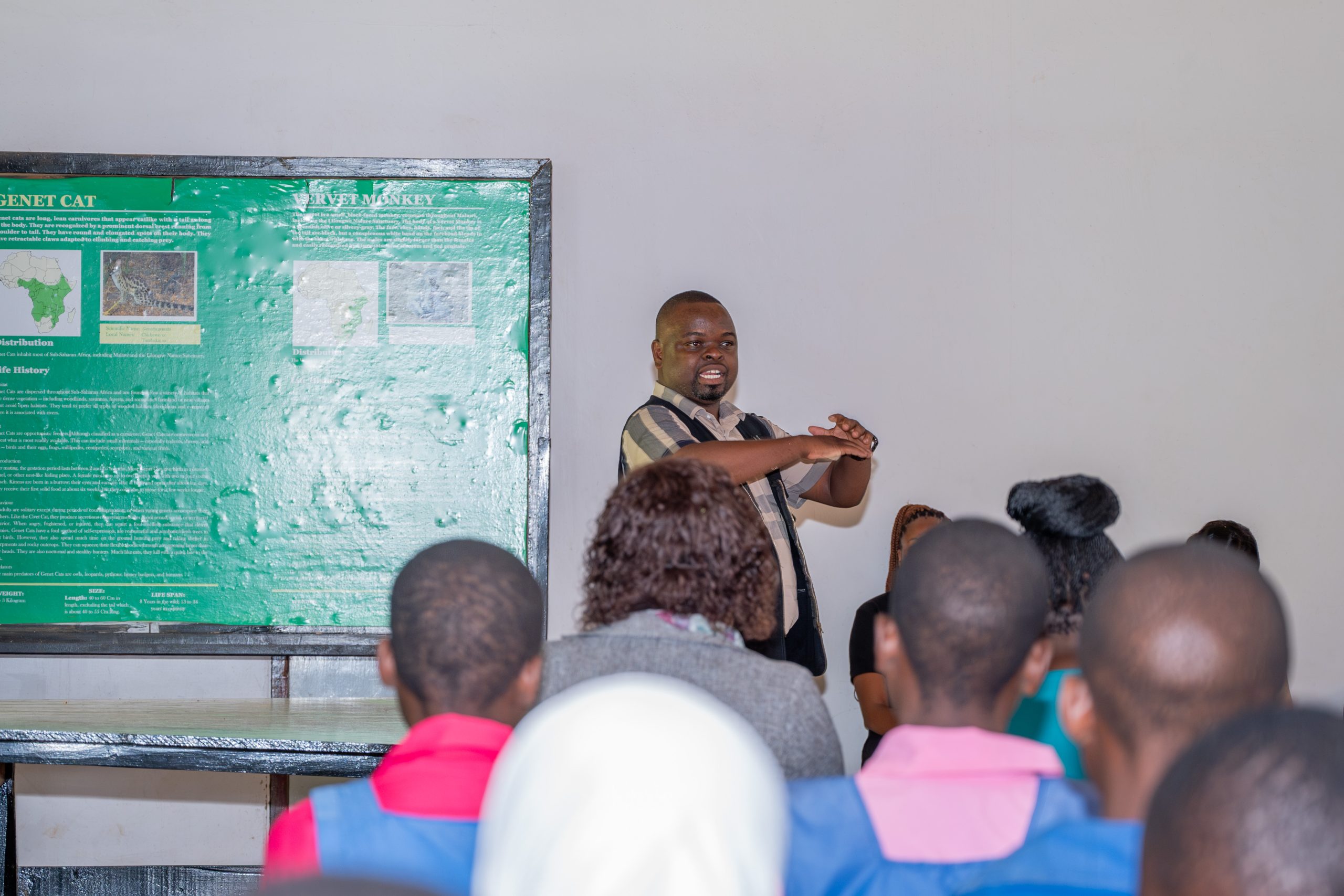
Reflecting on the success of the event, Mr. Dalireni reiterated the importance of continued engagement in conservation efforts: “This event has shown that collaboration across organizations, government bodies, and schools can drive meaningful change. As we look ahead, we must continue working together to ensure the sustainable future of both people and wildlife.” Mr. Dalireni also emphasized the relevance of the event’s theme for WESM’s work: “The theme for International Wildlife Day 2025 ‘Wildlife Conservation Finance: Investing in People and Planet’ is incredibly pertinent to us. At WESM, we are in need of monetary support to continue and expand our impactful work with school-based Wildlife Clubs. These clubs are a fundamental part of our conservation efforts, and we are grateful for the support of diverse stakeholders like Standard Bank as a corporate sponsor and organizations such as AG Care, Permaculture Network, and Tear Fund as corporate members. Their support enables us to reach more schools and students, ensuring that the future of Malawi’s wildlife is in good hands.”
In conclusion, the commemoration of International Wildlife Day serves as a powerful reminder that protecting wildlife is not just about preservation; it is about building a sustainable future. The collaborative spirit witnessed at the event underscores the potential for positive change when organizations, communities, and individuals work together for the common goal of safeguarding our planet’s natural heritage.