
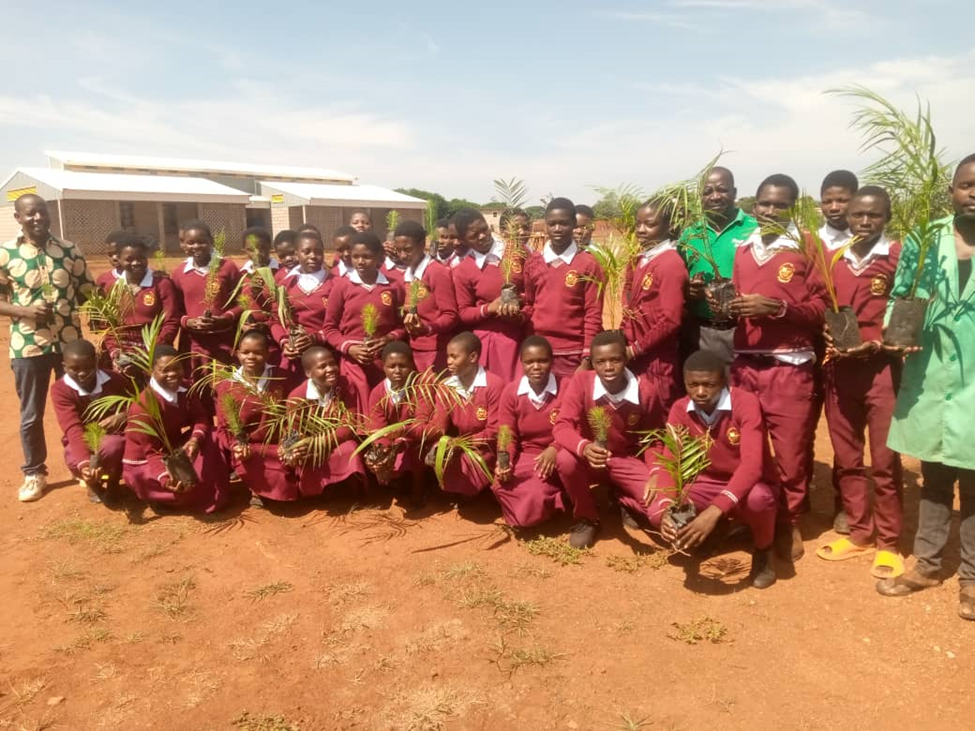
The Mwalawang’ombe Community Day Secondary School (CDSS) Wildlife Club in Dedza District has made an impressive environmental impact by planting 1,100 trees during the 2024-2025 tree planting season. This ambitious initiative which took place on the 9th ,14th and 19th December 2024, saw the collaboration of students, teachers, parents, and community members, was further supported by the Wildlife and Environmental Society of Malawi (WESM) Lilongwe branch. Their collective efforts emphasize the power of unity in combating deforestation and promoting environmental conservation.
A Passionate Commitment to Environmental Conservation
The Wildlife Club at Mwalawang’ombe CDSS, led by club chairperson Confidence Wachepa and patron Mr. Don Banda, has demonstrated an unwavering commitment to environmental conservation. The club, which became an official WESM-affiliated group on April 8, 2024, is driven by a clear mission: to promote environmental conservation, mitigate climate change, and educate the youth and the broader community on the importance of protecting natural resources.
With a membership of 28 female and 22 male students, the club has made significant strides in fostering environmental awareness. Their efforts extend beyond tree planting to waste management, clean-up drives, and educational visits to protected areas, making a broad impact on both the school and the surrounding community.
A Strong Partnership Between School and Community
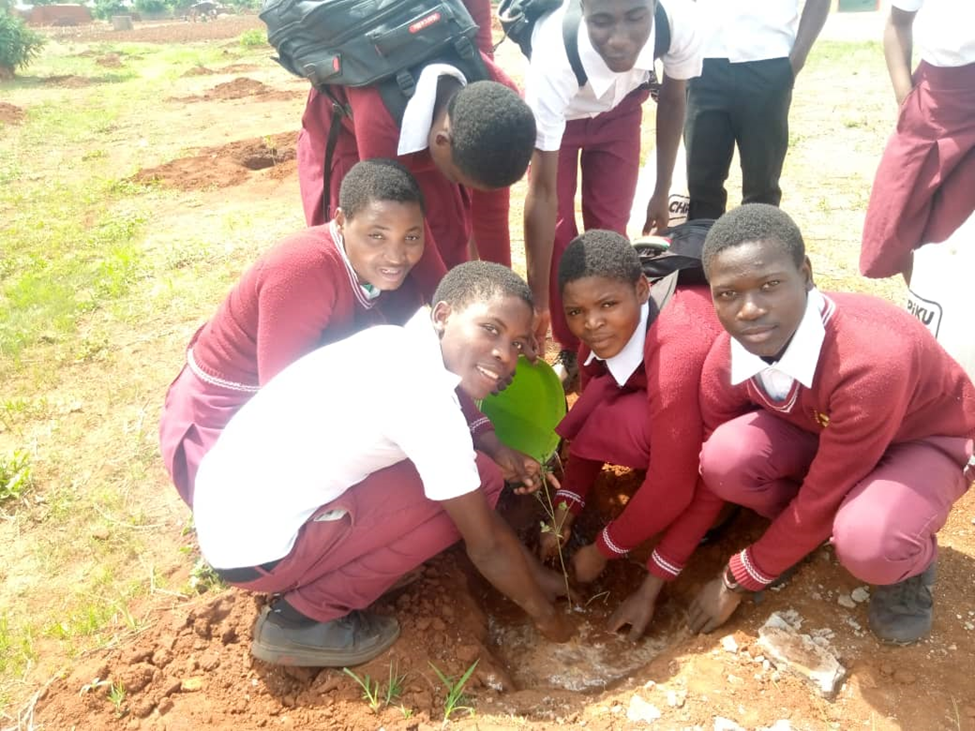
What makes this initiative particularly special is the remarkable collaboration between the school, the local community, and WESM Lilongwe branch. Under the leadership of the club patron Mr. Don Banda, the school’s management worked hand-in-hand with local community leaders, parents, and traditional authorities to ensure the project’s success.
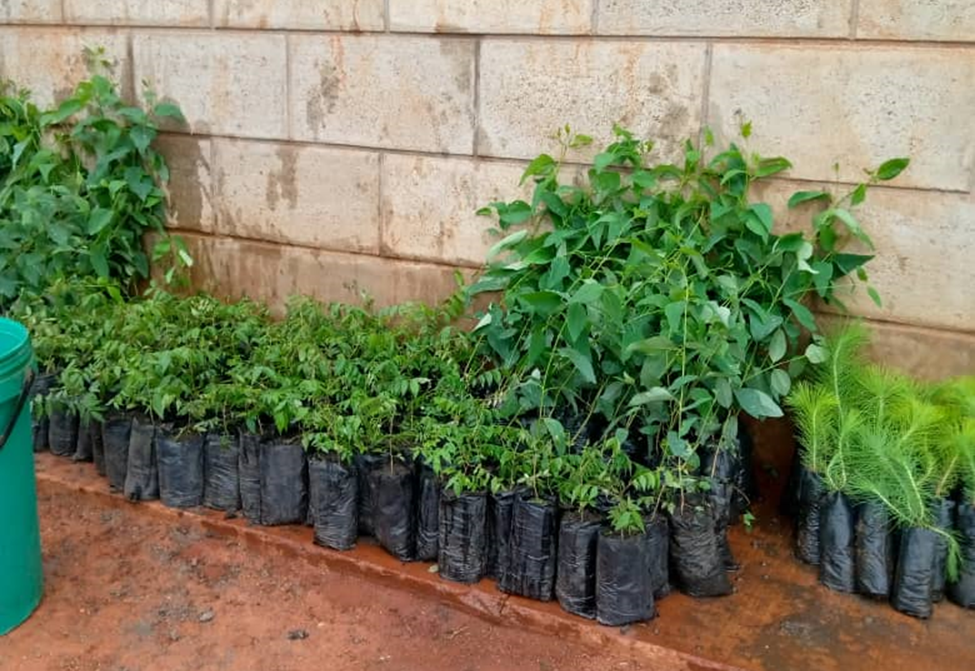
Initially, the Wildlife Club raised funds to purchase 200 tree seedlings for planting around the school. However, the response from the community was overwhelmingly positive. Recognizing the value of the initiative, community members contributed an additional 850 seedlings, which were planted both on the school grounds and in surrounding areas. The diversity of the seedlings planted includes pine species, flowers, shrubs, and fruit trees like mangoes, avocados, and citrus varieties.
This extraordinary show of solidarity was reflected in the participation of students, teachers, parents, traditional leaders, and other community members, all working together toward a common goal of environmental restoration and conservation.

WESM’s Vital Support for Environmental Education
The role of WESM Lilongwe in supporting the Wildlife Club has been pivotal. Through their partnership, the club received 50 additional tree seedlings, which included valuable species such as Moringa Oleifera, Afzelia Quanzesis, Melia Azedarach, Albizia Lebbeck, and a selection of fruit trees. This diverse mix of seedlings not only enhanced the ecological balance around the school but also promoted biodiversity conservation and sustainable agricultural practices.
“WESM’s support has been a game-changer,” said Mr. Don Banda, the club’s patron. “Their contribution of seedlings and ongoing encouragement and technical support has inspired the students and the broader community to take concrete steps in addressing environmental challenges. This collaboration demonstrates how working together, schools, communities, and environmental organizations can make a significant impact.”
Adding to this, Mr. Evarson Mkhaya, the WESM Clubs Coordinator responsible for environmental education and supporting Lilongwe clubs, remarked: “The work being done by the Mwalawang’ombe CDSS Wildlife Club is an inspiring example of how youth and communities can play a crucial role in addressing deforestation and environmental degradation. Our mission at WESM is to empower local clubs to engage in practical environmental conservation, and the Mwalawang’ombe club’s efforts are a testament to the power of collective action in shaping a sustainable Malawi.”
Addressing the Deforestation Crisis in Dedza
Dedza District, like many parts of Malawi, faces a severe deforestation crisis. The growing demand for charcoal, timber, and materials for brick burning has led to widespread forest depletion, resulting in soil erosion, loss of biodiversity, and a decline in water sources. This has had a direct impact on local livelihoods, with communities facing diminished agricultural yields and increasing vulnerability to climate change.
The efforts of the Mwalawang’ombe CDSS Wildlife Club are especially significant in this context. By planting trees and promoting responsible land use, the club is directly counteracting the environmental damage caused by deforestation. Their work not only contributes to reforestation but also serves as a powerful reminder of the importance of sustainable resource management.
Looking Ahead: A Sustainable Future
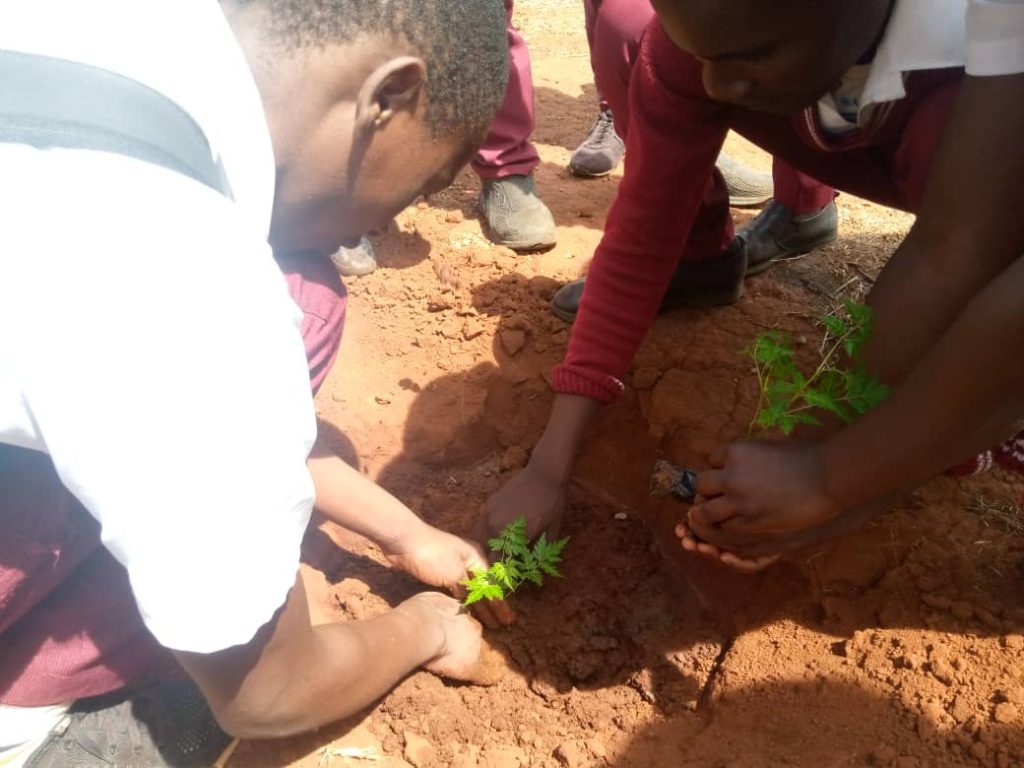
The Mwalawang’ombe CDSS Wildlife Club’s tree planting initiative is just the beginning of their broader environmental mission. The club has set its sights on expanding its activities in the future, with plans to engage in more tree planting, waste management programs, and awareness campaigns on climate action and environmental conservation.
“Environmental education is critical for shaping the future of our country,” said Confidence Wachepa, the club chairperson. “Our goal is to inspire other schools and communities to take action so that we can create a sustainable and green environment for ourselves and futures generations. Every small effort counts.”
The teamwork, dedication, and passion displayed by the Mwalawang’ombe CDSS Wildlife Club, supported by the school, the community, and WESM Lilongwe, exemplify the power of collaborative action in addressing environmental degradation. As the club continues to grow and expand its influence, there is hope that other communities will be inspired to take responsibility for the health of their environment.
Through their efforts, Mwalawang’ombe CDSS Wildlife Club is not just planting trees — they are planting the seeds for a brighter, greener future. By raising awareness, inspiring action, and leading by example, they are helping to shape a more sustainable future for Dedza and beyond.