

In the heart of Malawi, where wildlife and human communities share the same space, the Nkhotakota Wildlife Reserve is a shining example of the delicate balance between conservation and development. The Nkhotakota Wildlife Reserve Water Supply Project, spearheaded by the Wildlife and Environmental Society of Malawi (WESM) Dwangwa Branch, is playing a pivotal role in improving the lives of over 30,000 people while supporting the conservation of the reserve’s rich biodiversity.
Launched in 2023 with funding from the BridgIT Water Foundation, the project was designed with a dual purpose: providing safe and sustainable water to the communities surrounding the Nkhotakota Wildlife Reserve, and promoting wildlife conservation. As the project enters its second year, the impact is already visible, thanks to a combination of borehole rehabilitation, new borehole drilling, community engagement, and targeted training.
Key Achievements of the Project
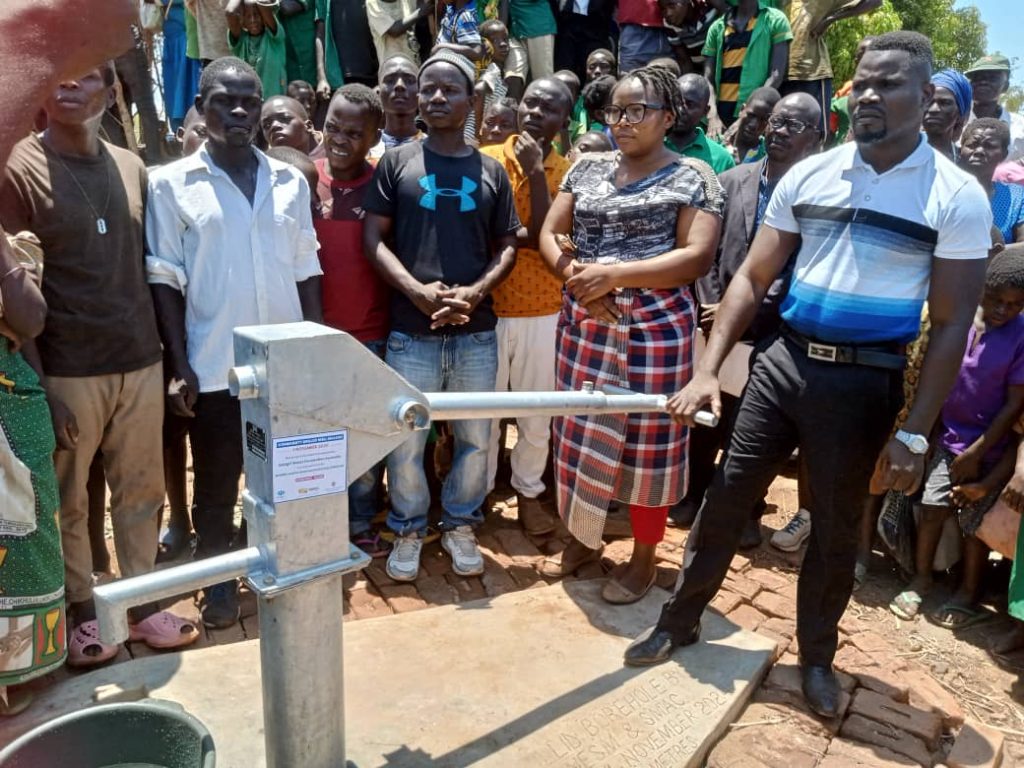
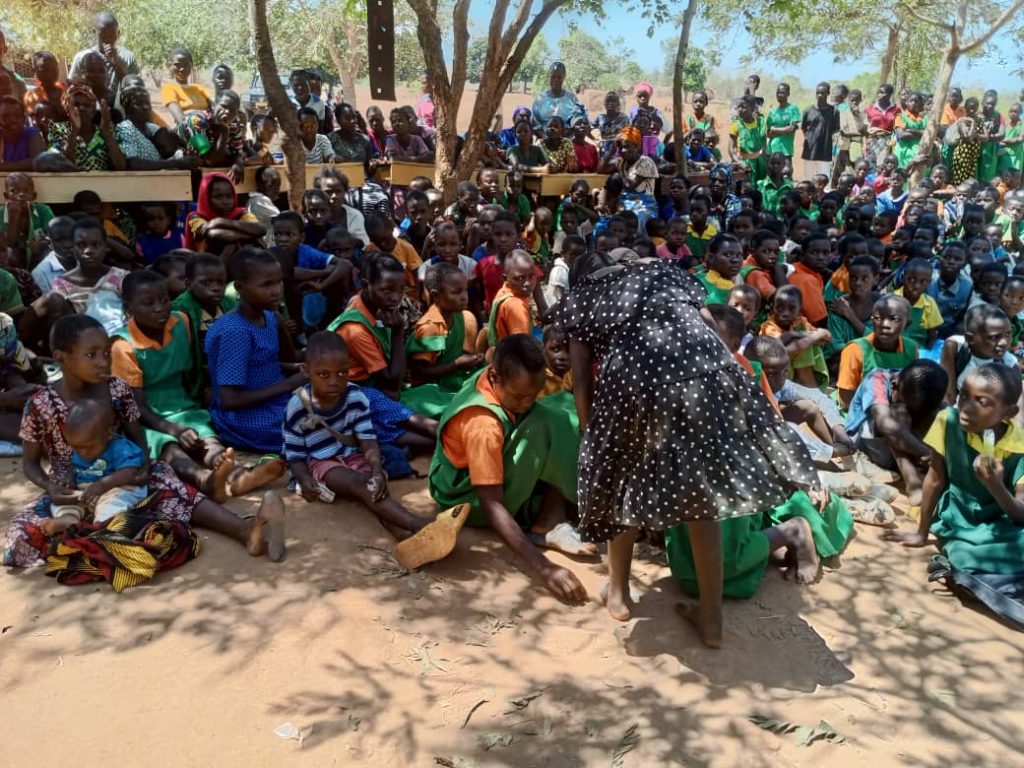
One of the most significant milestones has been the rehabilitation of 43 previously non-functional boreholes across the Nkhotakota District. These boreholes, often situated within schools, are now providing a reliable and safe water source for both students and local residents. Additionally, the project has drilled six new boreholes in hard-to-reach communities, including Simwini, Nkhanga, Kadammanja, and Matelezi—areas that previously had little or no access to clean water. These new water sources have been transformative for local families, reducing their reliance on contaminated water sources and improving health outcomes.
“Water is life. By bringing safe water to these communities, we are not only improving their health but also supporting their involvement in wildlife conservation,” said Rasheed Yassin Malandula, WESM Dwangwa Branch Manager. “Access to clean water leads to healthier communities, and healthier communities are more likely to protect the natural resources around them.”
In addition to the infrastructural improvements, over 100 local community members have been trained in the maintenance of boreholes and water infrastructure, ensuring that these new systems remain operational for years to come. The project also focused on raising awareness about water conservation and its connection to wildlife protection. Over 49 community meetings reached more than 2,000 people, emphasizing the link between safe water access, public health, and the preservation of the Nkhotakota Wildlife Reserve.
Community and Conservation Impact
The benefits of the Nkhotakota Water Supply Project go beyond clean water. With reduced waterborne diseases, communities are healthier, which translates to fewer people encroaching on the reserve in search of water or firewood. This, in turn, reduces human-wildlife conflict, an issue that has historically plagued the area.
Access to clean water also strengthens local attitudes towards conservation. In many communities, families now see the value of maintaining the health of the environment, as it directly impacts their livelihoods and well-being. The project has become a model of how development and conservation can go hand-in-hand.
“We are seeing a tangible shift in how people view conservation. When they have access to water and a healthier life, they are more inclined to protect the natural resources around them,” said Malandula. “This is what we mean by a sustainable approach—communities that benefit from the land are also the ones that safeguard it.”
Challenges and the Path Forward
Despite its successes, the project has faced its share of challenges. One major obstacle has been frequent vehicle breakdowns, which have caused delays in reaching remote communities and providing essential services. “Logistical issues have been one of the biggest setbacks,” Malandula explained. “Our vehicles are often the only means of transport to remote areas, and when they break down, it creates a ripple effect that delays our work.”
Another challenge has been the limited resources allocated for project administration and management. The high volume of fieldwork and the coordination of numerous stakeholders requires more funding to maintain efficiency. Additionally, managing the increasing expectations of local communities has been challenging. As the project has delivered results, communities are requesting more infrastructure improvements that were not initially part of the project’s scope.
However, these challenges have not deterred the team’s commitment. Moving forward, WESM is focused on strengthening partnerships, securing additional resources, and improving logistical support to ensure the sustainability and expansion of the project. In particular, Malandula emphasizes the importance of continued community involvement in managing the water systems: “Sustainability relies on local ownership. By involving communities in the project’s maintenance, we are fostering a sense of responsibility and ensuring the longevity of these water sources.”
A Blueprint for the Future
The Nkhotakota Wildlife Reserve Water Supply Project is a prime example of how targeted interventions can improve both human livelihoods and wildlife conservation efforts. By providing clean water, the project has not only enhanced public health but also contributed to a broader environmental impact, helping to reduce pressures on the reserve’s ecosystem.
Looking ahead, WESM aims to expand the project to other districts surrounding the reserve, ensuring that even more communities can benefit from safe drinking water and the promise of a healthier, more sustainable environment. With stronger logistical support, more resources for project administration, and continued community engagement, the Nkhotakota Water Supply Project has the potential to become a model for similar conservation initiatives across Malawi and beyond.
As Malandula sums it up: “Access to water is not just about survival; it’s about building a future where communities and wildlife can coexist, thrive, and protect each other. This project is just the beginning.”