
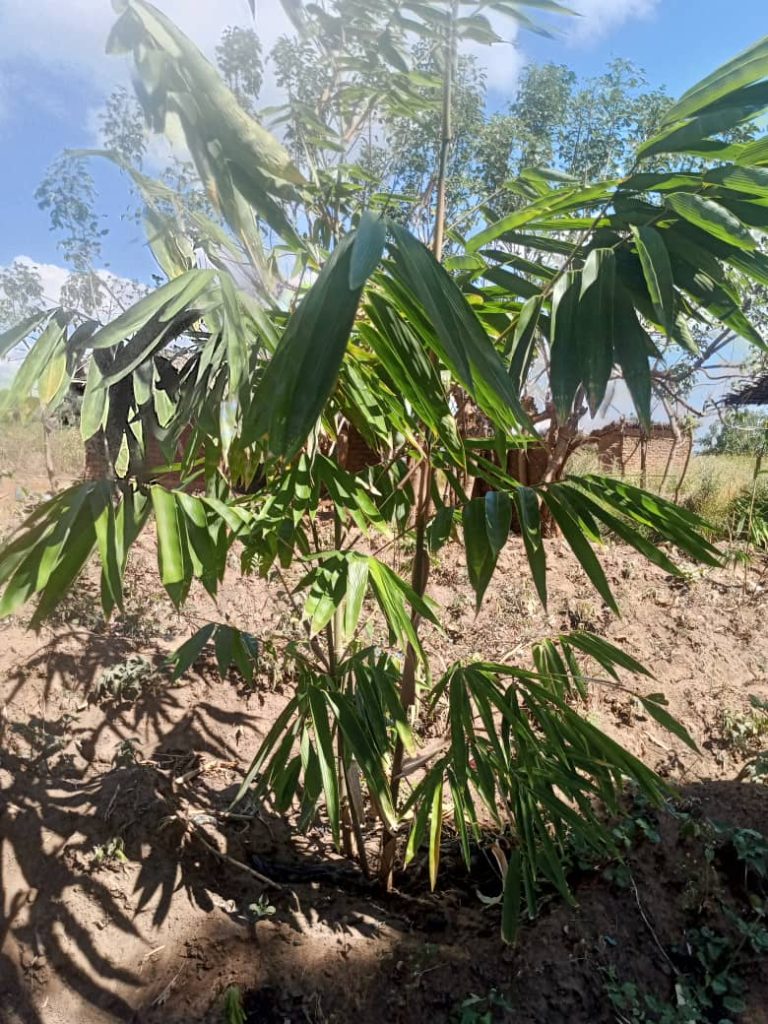
In the heart of Malawi, a quiet environmental revolution is taking root. The Wildlife and Environmental Society of Malawi (WESM), Dwangwa Branch, has embarked on a bold, three-year initiative aimed at transforming local communities and their landscapes through the power of giant bamboo. This ambitious project, supported by Cooperative Climate Action Limited, is not only promoting sustainability but is also proving that green initiatives can be a springboard for economic prosperity.
A Vision for a Greener Future
The Giant Bamboo Planting Promotion Project spans six villages and four schools, engaging over 100 local farmers in the cultivation of this fast-growing, eco-friendly resource. Bamboo, often referred to as “nature’s miracle plant,” has the unique ability to grow rapidly while absorbing carbon and preventing soil erosion—qualities that make it a perfect solution for the environmental challenges Malawi faces today.
By providing farmers with the tools, knowledge, and markets to cultivate bamboo, the project aims to promote environmental conservation, restore degraded lands, and build a sustainable source of income for local communities. The broader goal is to create a long-term strategy for environmental stewardship, while tapping into the economic potential of bamboo as a timber alternative.
Revitalizing Communities with Bamboo
At the heart of this initiative is a simple but transformative idea: empowering local farmers to harness the potential of bamboo. Through the project, WESM has set out to achieve three primary objectives:
Promote Giant Bamboo Cultivation: Teach farmers how to grow bamboo efficiently, offering them both an eco-friendly crop and a marketable product.
Enhance Community Participation: Inspire local communities to engage in environmental conservation, from tree planting to sustainable farming practices.
Establish Market Centers: Create platforms where bamboo can be sold, turning this green resource into a viable economic commodity for local farmers.
Transforming the Landscape: Achievements So Far
Empowering Through Knowledge
One of the project’s standout successes has been its community awareness campaigns. WESM has engaged local Area Development Committees (ADCs) in the Kanyenda, Mphonde, and Malengachanzi regions, holding a total of 9 awareness sessions to educate the community on the benefits of bamboo cultivation. These sessions have sparked a wave of interest in bamboo farming, with farmers keen to learn how this resilient crop can restore their land and provide economic returns.
Alongside these awareness efforts, practical training workshops have been crucial. Led by experts from the District Forest Office, these workshops teach local farmers everything they need to know about bamboo cultivation—ranging from planting techniques to soil care and sustainable farming practices. The goal is to ensure that farmers not only plant bamboo but become stewards of the land, using sustainable methods that benefit the environment long-term.
Planting the Seeds of Change
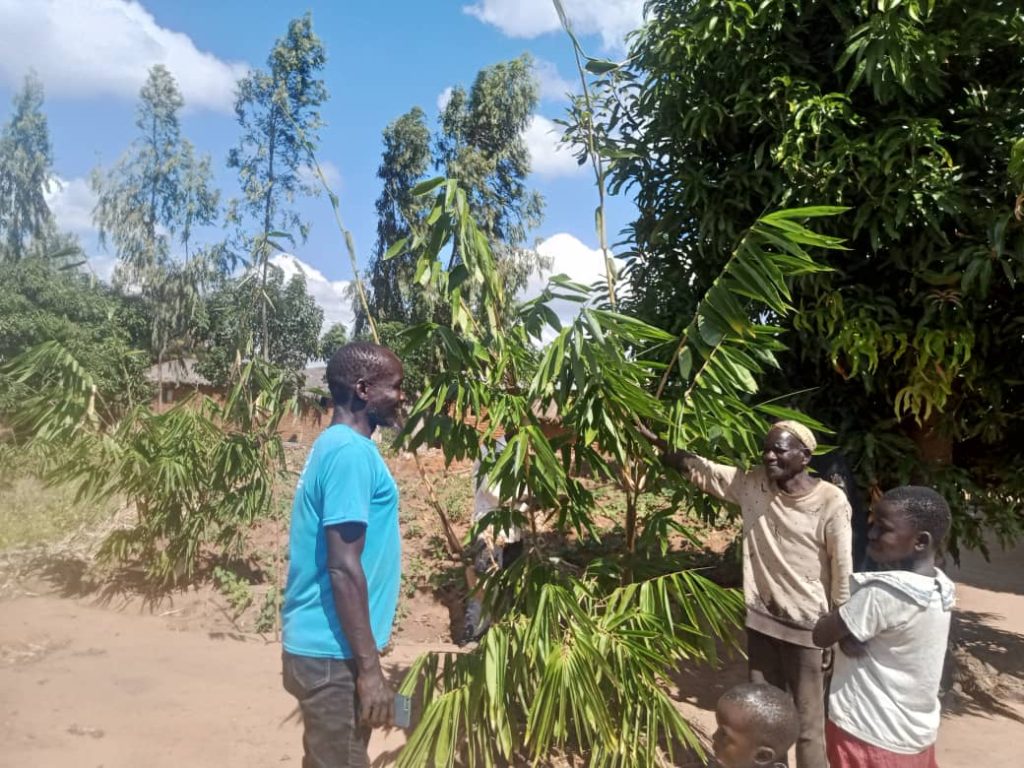
The first major milestone of the project was the procurement and distribution of 1,500 giant bamboo seedlings, which were given to local farmers. These seedlings are now growing across the region, forming the foundation for a sustainable bamboo industry. Regular monitoring visits have ensured that the bamboo is flourishing, and the effort has already resulted in the successful multiplication of over 4,000 bamboo seedlings, with more on the way.
This progress speaks volumes about the potential of the project. What started as a small pilot effort is already blossoming into a movement that could transform the local economy and the environment.
Creating Market Opportunities
But planting bamboo is only part of the equation. The next key element is ensuring that farmers have a place to sell their bamboo products. With this in mind, WESM has identified two market centers—one at the WESM Dwangwa Place and another at the District Forest Office—where farmers can bring their bamboo logs and related products. These centers will not only provide a reliable outlet for bamboo but will also serve as hubs for further education and market development.
In the future, these market centers are expected to expand, providing farmers with new income streams from bamboo-based products such as flooring, furniture, and construction materials. As demand for sustainable products grows, so too will the opportunities for local farmers.
A Broader Environmental Vision
While bamboo takes center stage, the project also has a broader environmental focus. As part of the initiative, WESM is integrating indigenous and fruit tree planting, further enriching the local ecosystem. With 5,000 indigenous tree seedlings set to be distributed in January, this initiative helps diversify the region’s flora while combating deforestation and soil erosion.
Growing Participation
To date, more than 100 farmers have signed up for the bamboo and tree planting program. This enthusiastic response underscores the community’s growing interest in sustainable farming and eco-friendly alternatives. The project is not just changing the landscape—it’s changing mindsets, empowering farmers to adopt more sustainable agricultural practices that will benefit both their families and the environment.
Looking Forward: The Path Ahead
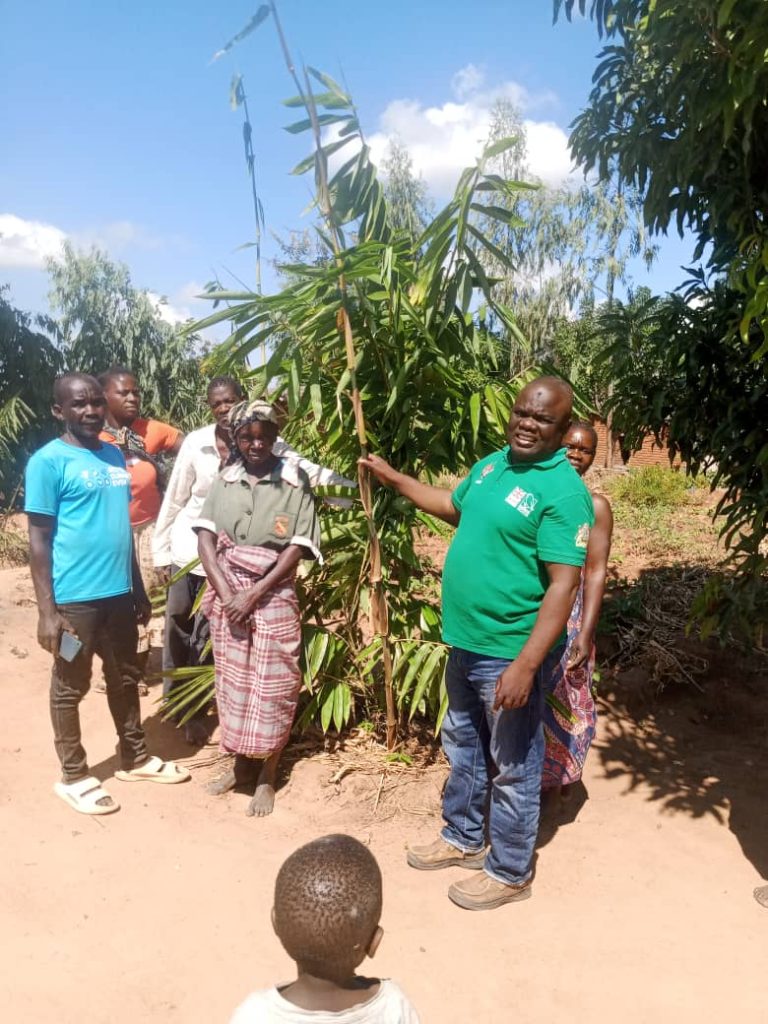
While the project has already achieved much, its journey is far from over. In the coming months, WESM plans to continue monitoring the growth of the bamboo and tree seedlings, providing additional training to farmers, and expanding the market centers to create more opportunities for bamboo sales.
Mr. Rasheed Yasin Malandula, the Branch Manager of WESM Dwangwa, shared his excitement about the project’s future: “We are incredibly proud of the progress we’ve made, but the real work is just beginning. This project is more than just about planting bamboo. It’s about giving communities the knowledge and resources they need to take ownership of their environment. Through continuous education, collaboration, and community engagement, we believe we can create a sustainable future for both people and nature.”
His words capture the essence of the project: it’s not just about planting trees—it’s about cultivating a mindset of environmental stewardship that will last for generations.
Conclusion: A Green Future on the Horizon
The Giant Bamboo Planting Promotion Project is not only addressing Malawi’s pressing environmental challenges but is also creating new economic opportunities for local farmers. By blending sustainable agriculture with market development, this initiative is showing the world that environmental conservation can go hand in hand with economic growth.
As the project continues to grow, it serves as a shining example of what can be achieved when communities, local organizations, and environmental advocates work together toward a common goal. Through projects like this, Malawi is not just protecting its natural resources—it is building a greener, more sustainable future for all.