
Reflections By: Maxwell Madise-Wobo, Resource Mobilisation and Partnerships Advisor World University Service of Canada (WUSC) Volunteer
Breathtaking hilly skyline, lush green vegetation, tranquil, and far removed from the combustive hustle and bustle of big cities, lies-Zomba. The first capital city of Malawi. The mystic allure of variegated flora and fauna doting the hills (nature)-environment and the urgency of conservation shot St. Joesph primary school into the stratosphere, filling the telescope of the Wildlife and Environmental Society of Malawi (WESM) with a kaleidoscope of activities and imagery beyond words.
Feeding the frantic humdrum of end-of-year activities (16-18 December 2025) the scheduled tour of WESM branches was supposed to be a snap visit to Zomba branch. The meteoric rise marked by impressive feats accomplished by St. Joseph Primary School Wildlife Club, one of over a thousand Wildlife club spread across Malawi, coordinated by WESM as one of its core mandates-environmental and conservation education for schools and communities, forced a pleasant detour. The team ably led by the amiable director of programs, turned to a learning tour and knowledge sharing session.
The WESM team was ushered into the office of the Head-teacher. Quaint furniture, didactic ambience, and spartan neatness of the office forced a nostalgic memory our early beginnings in primary school. The office oozed discipline. It was simply a treasure throve of documented information. The walls of the office, adorned with imaginative cardboard papers, with differing colours, fonts, and calligraphy-no detail was spared. Performance metrics in national examinations, activities, roosters, welfare undertakings for staff, down to minute detail of movement of pupils. It was information, not at the click of a mouse, but at the bathing of eyelids.
The WESM coordinator, patrons, matrons, and select team of teachers at St. Joseph Primary school, briming with confidence and full of smiles, were indeed surprised at the fawning WESM team. To say the team was beyond impressed, would be a gross understatement. The St. Joesph Wildlife club have built an enviable, simple, organic, and efficient synergistic organization that can rival any organization albeit with lean resources.
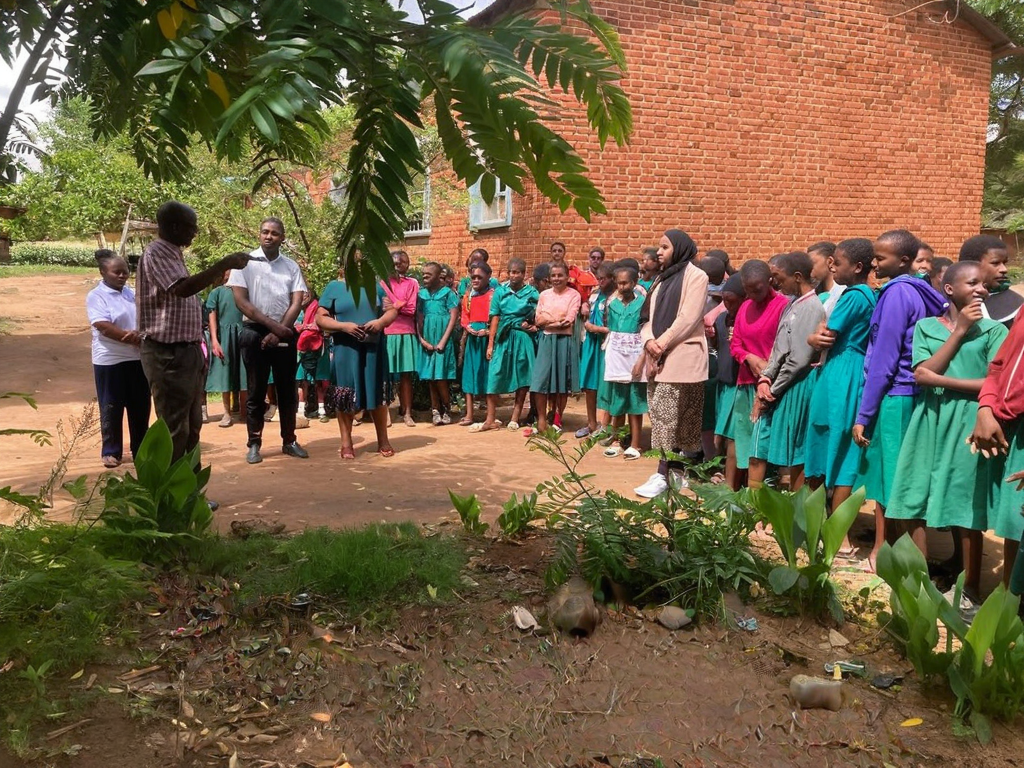
Walking into the classroom full of starlets- members of the wildlife clubs, was like standing before piercing gazes of laser lights. The infectious roar of salutation, animated show of determination-fists pumping in the air, legs stumping the ground, eyes briming with enthusiasm, all choregraphed on cue by their teacher, brought beaming smiles to the faces of the WESM team.
The starlets, equipped with knowledge beyond their age displayed mastery and understanding of reforestation, afforestation and greening, climate change and its effect, dangers of indiscriminate felling of trees, urbanization etc. They entertained us with; spoken words, poetry, flash-dash drama sketches, prayers and call to action. It was electric, passionate, hard hitting and truthful. I caught individual wide smiles of team members, with a curious sideward glance. Elation perhaps but I suspect awe. Misty eyed, I looked on as each of the starlets, screamed out from their lungs, their professional aspirations and inclination in future, during the mentoring talk. Hands clasped behind my back, I said a quick prayer for fruition of the dreams of these leaders and champions. Amazingly, they all could connect each work of life with the environment.
A tour across gardens, carefully spaced within the acreage available, established St. Joesph as twinkling starlets dotting the skies of Malawi, beckoning on us to catch up. Tree planting sections, with survival rate of over 85%, well-tended gardens replete with their own compost manure site, converting recyclable organic waste to manure, carefully taking into cognizance peculiar characteristics of the soil, water retention capacity of the respective plants and soil. A structured process of selling yields to raise money for the club, and an amazing competitive edge amongst club members to tend their gardens in order to harvest the biggest size of produce, enthralled members of the WESM team.
One after the other, we asked questions, each WESM team member according to their area of interest. Curiously, one question stood out, by consensus. How have you managed such a high success rate for seedling survival? Their solution, simple and impactful; Each pupil is assigned a seedling. From dressing the soil, nursery and planting to nurturing and catering to the seedlings under the watchful eyes of teachers, patrons and matrons. As the pupil advances in class, to senior year, the shoot is handed over to a selected worthy champion of choice by the senior to a junior who continues to nurture the seedlings.
Succession and activities planning, collaborative management, and community engagement. The WESM team, saw first-hand, how this generation of environment vanguards have put simple concepts into practice effortlessly. The future is here! I have made a deliberate vow to revisit with gifts and prizes, you should too!
PS: This sound model that guarantees survival of seedlings should make a mandatory addition to environmental and conservation education and training curriculum. Inter club collaboration and knowledge sharing will ensure sustainability. These youngsters, I am seriously persuaded are showing us wisdom in resilience from light years ago but pointing at the future.
PSS: Before we all get busy closing out hectic deadline, writing report and obeying our respective command to serve humanity through the vehicle of environmental learning, I heartily wish the entire Management and Staff of WESM, all volunteers, old and new, an impactful and prosperous new year!
Malawi is green and rich!!