
A conservation initiative implemented by the Wildlife and Environmental Society of Malawi (WESM) Monkey Bay Branch and Bats without Borders, with support from the Rufford Foundation, is generating important new knowledge about fruit bats in Mangochi District while engaging communities directly in conservation action.
Fruit bats play a critical ecological role in tropical ecosystems, particularly through seed dispersal and forest regeneration. Despite their importance, little research had previously been conducted on fruit bat populations in the region. This project aimed to close that knowledge gap by combining scientific research with community science, habitat restoration, and environmental education.
Discovering and Monitoring Fruit Bat Roosts
One of the most significant achievements of the project was the identification and monitoring of approximately 60 fruit bat roosts across Mangochi District. Notably, most of these roosts were located in human-dominated landscapes, highlighting the close interaction between people and fruit bats in the area.
As the first comprehensive study of its kind in Mangochi, the project has provided valuable baseline data on:
- Species diversity and distribution of fruit bats
- Roost locations and characteristics
- Seasonal changes in colony size
- Roost switching patterns throughout the year
This information is essential for understanding how fruit bats adapt to landscapes where natural habitats overlap with agricultural land and human settlements.
Understanding Bat Diets and Their Role in Seed Dispersal
Researchers also conducted detailed studies on the roostecology, diet, and ecological role of epauletted fruit bats. Across 52 monitored roosts, the team documented variations in roost characteristics and how these influence bat populations and behaviour. The dietary analysis revealed that fruit bats in the region feed on at least 15 different fruit and plant species, including both native and exotic trees such as:
- Xanthocercis zambesiaca
- Diospyros mespiliformis
- Lannea schweinfurthii
- Tamarindus indica
- Ficus species
- Azadirachta indica
During the study, researchers collected 877 seeds discarded by bats at feeding roosts, which were later used for germination trials. Of these, 718 seeds successfully germinated, providing strong evidence that fruit bats play an important role in seed dispersal and natural forest regeneration.
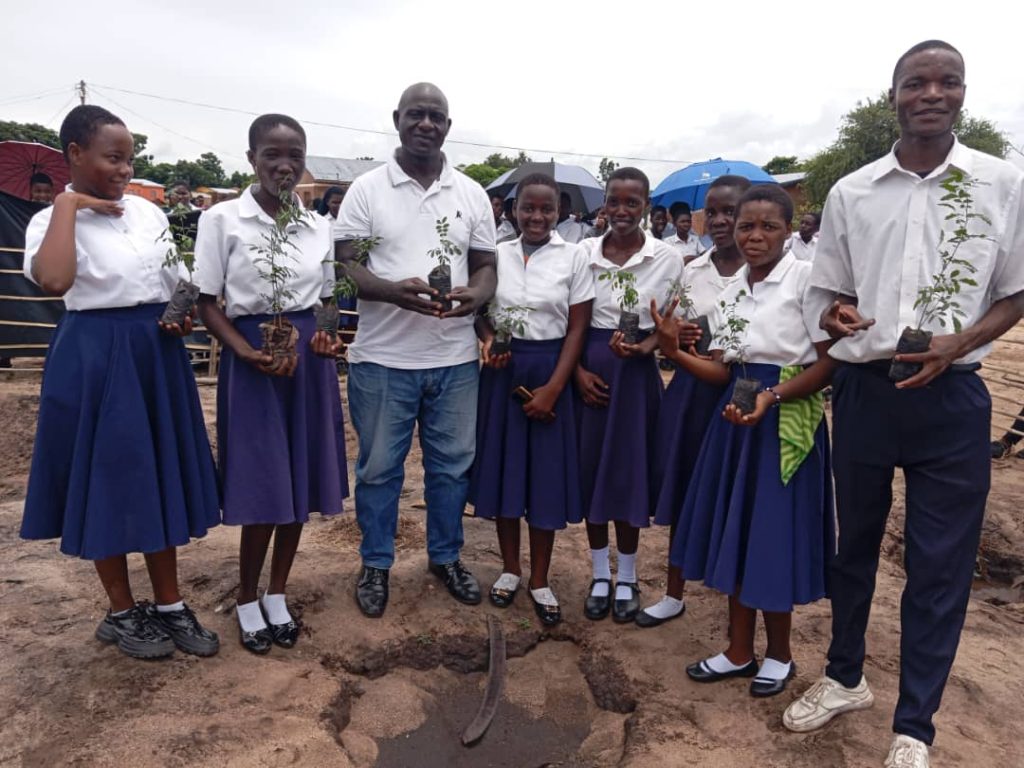
Seedlings from these trials have been donated to schools and communities around Mangochi to be planted during the upcoming growing season, helping to restore habitats and increase food resources for bats.
Raising Awareness Through Education and Community Engagement
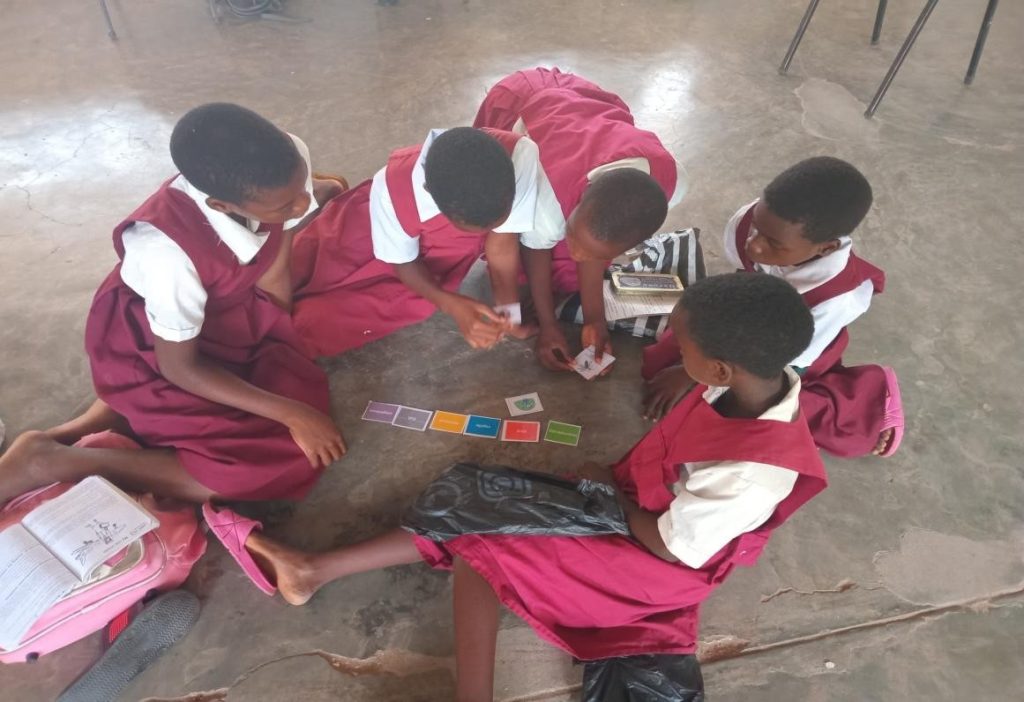
Community awareness formed a central pillar of the project. Conservation education activities were conducted through:
- School wildlife clubs
- Educational talks in 10 schools across Mangochi District
- Roost visits and tree planting activities
- Radio discussions on Dzimwe Community Radio
A flagship initiative was the “Classrooms Without Walls” environmental education programme created by Bats without Borders which was an eight-lesson participatory course that introduces primary school learners to bat ecology, behaviour, and conservation. The programme was implemented in four schools in the Monkey Bay area, where students learned about the ecological importance of bats through interactive lessons and outdoor activities.
Students also contributed creatively to conservation awareness. For example, the Namazizi Wildlife Club composed five poems about bats, which were presented during a live radio panel discussion, encouraging community participation through call-ins and discussions.
Strengthening Local Conservation Capacity
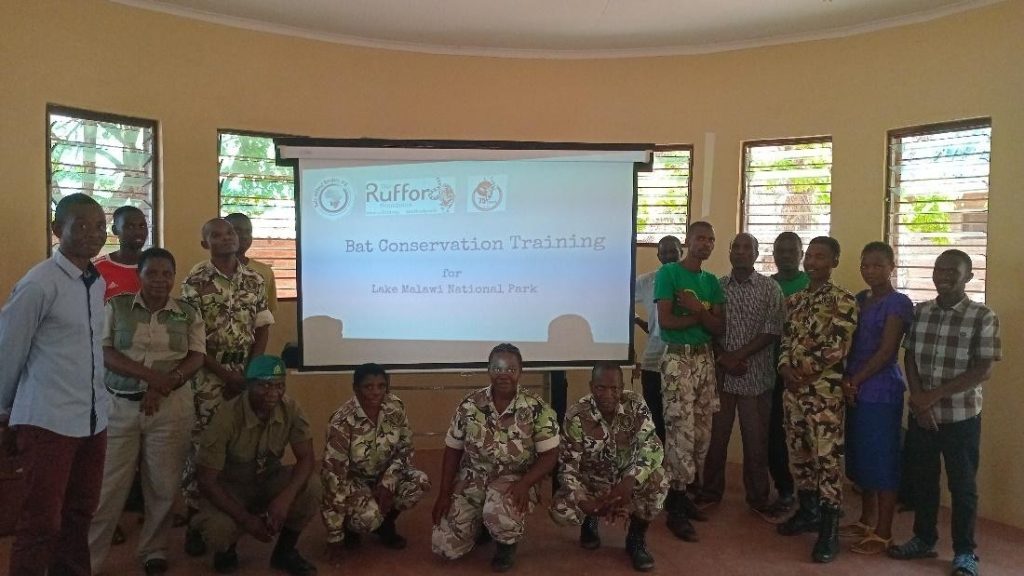
The project also contributed to strengthening conservation capacity within government institutions. Two specialised training workshops were conducted for 27 rangers and research staff from Lake Malawi National Park, focusing on:
- Basic bat ecology
- Bat identification techniques
- Monitoring methods
- Strategies for protecting bats and their habitats
These trainings have helped equip park staff with the skills needed to integrate bat conservation into broader biodiversity management efforts.
Looking Ahead
Building on the success of this initiative, WESM plans to continue expanding fruit bat conservation work in Mangochi District. Future priorities include:
- Establishing long-term annual monitoring of fruit bat roosts
- Conducting bat trapping to confirm species identification and collect morphological data
- Developing more effective community science participation models
- Expanding environmental education programmes in schools and communities
The findings from this project will be shared with key institutions including the Department of National Parks and Wildlife, the National Commission for Science and Technology, the University of Malawi, and the Department of Environmental Affairs, with the aim of supporting future research and conservation planning. Researchers also plan to pursue publication of the findings in a peer-reviewed scientific journal.
Protecting an Overlooked Ecological Ally
Fruit bats are often misunderstood, yet they are among the most important natural forest regenerators in tropical ecosystems. By combining scientific research, community engagement, education and habitat restoration, this project has laid the foundation for stronger fruit bat conservation in Mangochi District ensuring that these remarkable animals continue to support Malawi’s ecosystems for generations to come.