

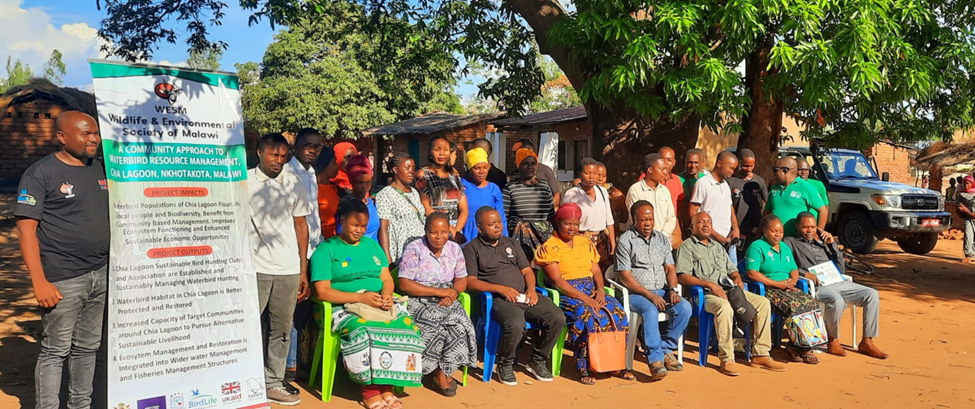
On Monday, December 16, 2024, the Wildlife and Environmental Society of Malawi (WESM) hosted an informative media tour under the Community Approach to Chia Lagoon Waterbird Resources Management project. The initiative, funded by the Darwin Initiative through Birdlife International, aims to promote sustainable management practices around Chia Lagoon, a vital waterbird habitat in Nkhotakota, Malawi. The event served as a platform to update key stakeholders, gather feedback, and highlight the project’s progress.
In attendance were journalists from various media houses, including Malawi News Agency, Times Media, Zodiak Broadcasting Station, Nkhotakota Radio, Umunthu FM, Chisomo Radio, Police FM, and Nkhotakota District Information Officer. Members of the Nkhotakota District Environment Sub-Committee (DESC) also participated, with officials from various government departments, including Fisheries, Forestry, Agriculture, and Water and Sanitation.
Additionally, traditional leaders, particularly Traditional Authorities Kalimanjira and Nkhanga, whose territories encompass Chia Lagoon, joined the tour. The project’s collaborative nature was also evident, with the presence of stakeholders such as Ripple Africa, Microloan Foundation, African Parks, and the executive committee of the newly established Bird Hunters Association.
A Collective Effort
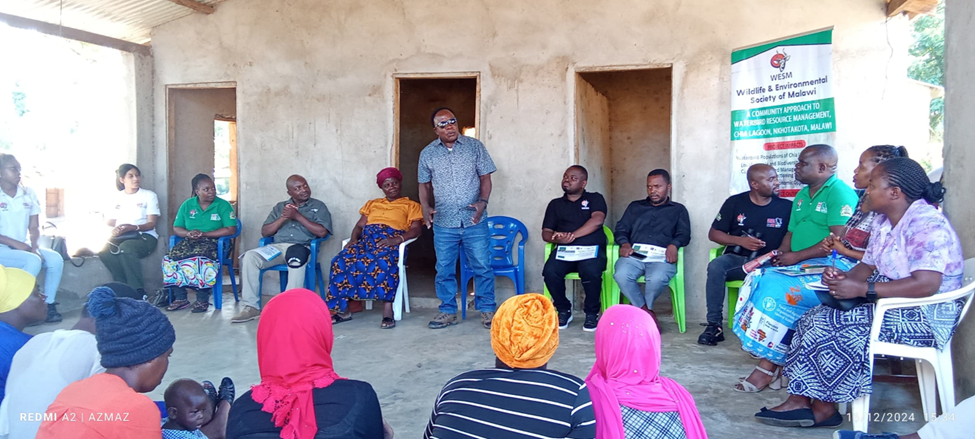
The media tour kicked off with a debriefing session, where Mr. Chifundo Dalireni, the project coordinator, provided an overview of the ongoing initiatives. Emphasizing the importance of community engagement, Dalireni explained that the project is designed to balance environmental conservation with the economic interests of local communities, particularly those who rely on bird hunting.
Mrs. Blessings Chinagwe, WESM’s Programmes Manager, spoke passionately about the significance of the initiative. “This project represents a unique opportunity to bring together conservation and community livelihoods,” she said. “We are not just protecting the environment but also enhancing the lives of people who rely on Chia Lagoon’s resources for their survival.”
Empowering Sustainable Livelihoods
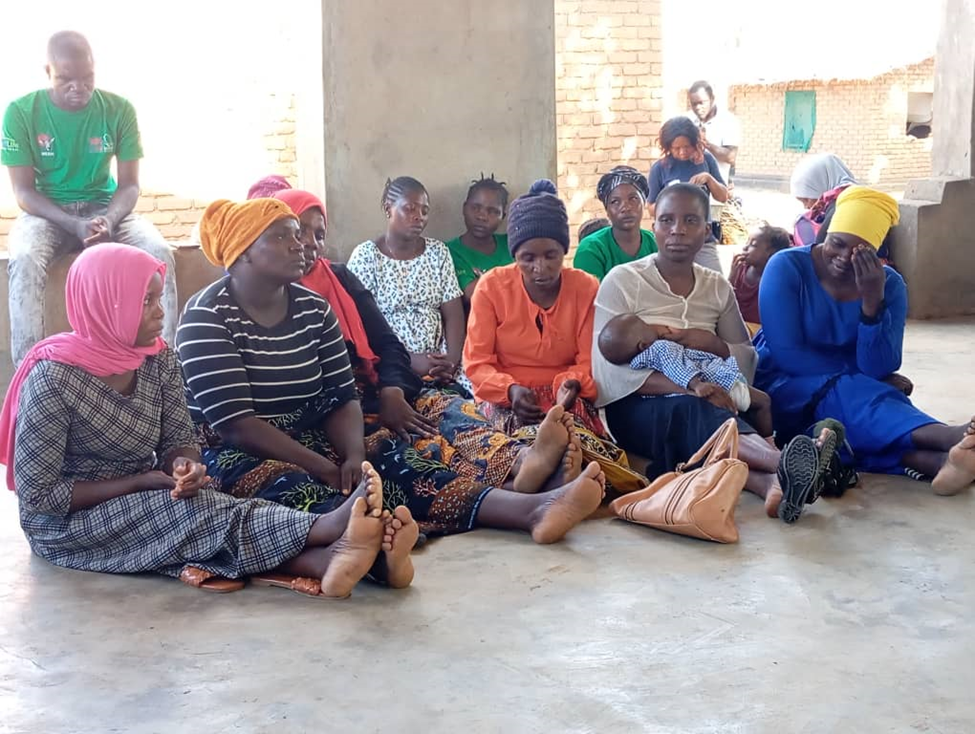
A central element of the project’s livelihood aspect has been the establishment of a microloan facility in partnership with the Microloan Foundation. Women from local communities, such as Prisca Banda, have benefited greatly from small loans to boost their businesses. So far forty women have accessed loans after undergoing financial management and sustainable livelihood trainings under the project’s microlending facility. Prisca Banda, a 35-year-old female entrepreneur, shared her story:
“I received a loan of MK150,000 to expand my Zitenje (local fabric) and fish business. With the profits, I bought a bicycle, repaid the loan with interest, and I’ve been able to support my family of six,” Banda said with pride. “This loan has made a huge difference in my life. I’m more financially independent, and my family’s standard of living has improved.”
Fostering Sustainable Livelihoods Through Skills Development
At the core of the project is a focus on empowering local communities with the knowledge and skills necessary to thrive in environmentally sustainable ways. While avitourism has been promoted as an alternative to traditional bird hunting, it is just one of the many skills that community members are learning. Through the project, participants are receiving training in a range of sustainable practices, including business management, tree nursery establishment, and agriculture, in addition to eco-friendly alternatives to bird hunting.
During the media tour, Mr. Shabani Ntila, Chairman of the Bird Hunters Association Executive Committee, reflected on the progress of the sustainable bird hunting practices and skills development. “In the past, we relied on bird hunting as our primary source of income. But now, with the support of WESM and the knowledge we’ve gained, we are focusing on sustainable alternatives like bird watching and smart agriculture,” he explained. “This approach is not only better for the environment but also offers long-term economic benefits for our communities.”
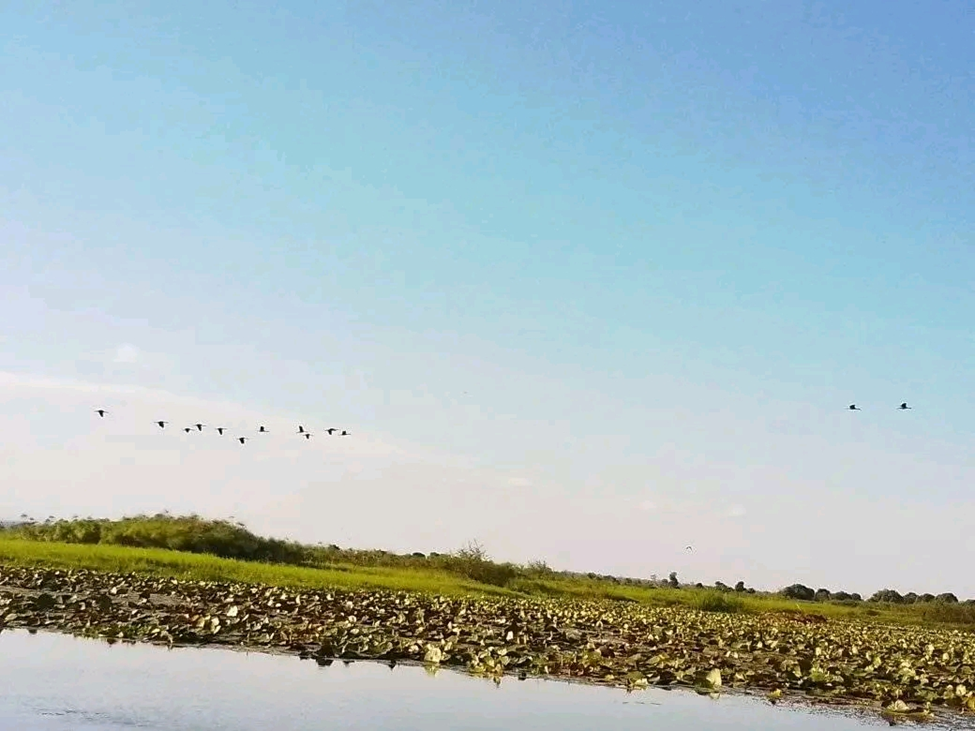
The project has also made strides in rehabilitating boats and establishing bird sanctuaries around Chia Lagoon. These efforts were on full display during the media tour, where participants visited 3 of the 15 newly established bird sanctuaries and witnessed the diverse birdlife, including Herons, Little Egrets, Common Ringed Plovers, White-faced Ducks, African comb Ducks, and even Eagles.
A Collaborative Effort for Sustainable Development
The project is addressing two major challenges at Chia Lagoon: unsustainable bird hunting and habitat degradation. Through the promotion of sustainable practices, such as regulated bird hunting, avitourism, and the restoration of damaged ecosystems, it is working to create a balanced relationship between nature and the people who depend on it.
Jane Kaira, Nkhotakota District Environmental Officer, emphasized the importance of collaboration between government agencies, NGOs, and local communities. “The district council is fully supportive of this project. We understand the importance of conserving our natural resources while simultaneously improving the livelihoods of our people,” Kaira stated.
For Traditional Authority Kalimanjira, the project’s benefits are clear. “Our community depends on Chia Lagoon for both food and income,” said the traditional leader. “This project has given us hope for a better future, where both the environment and the people can thrive together.”
Media’s Role in Spreading Awareness
The media tour also underscored the critical role of the press in raising public awareness about the project’s goals and the importance of environmental conservation. Mr. Auswald Bonongwe, WESM’s Communications Manager, addressed the media, highlighting the significance of their coverage. “The media has a unique role in shaping public perception and informing the wider community about the value of Chia Lagoon,” Bonongwe said. “We encourage journalists to write strategic stories that promote avitourism and highlight the positive impacts of the project on both the environment and the local economy.”
Press Coverage and Community Impact
Damiano Thengo, a journalist from Malawi News Agency, expressed his appreciation for the opportunity to witness the project firsthand. “It’s inspiring to see how this project is creating tangible change for local communities,” Thengo remarked. “I look forward to sharing these stories with the public and raising awareness about the need to protect places like Chia Lagoon.”
As the tour concluded, participants took a boat ride across the tranquil waters of Chia Lagoon, observing the vibrant birdlife and gaining a deeper understanding of the project’s multifaceted approach to conservation and sustainable livelihoods. The event was a powerful reminder of the potential for collaboration and education to foster lasting positive change for both the environment and the communities that depend on it.