
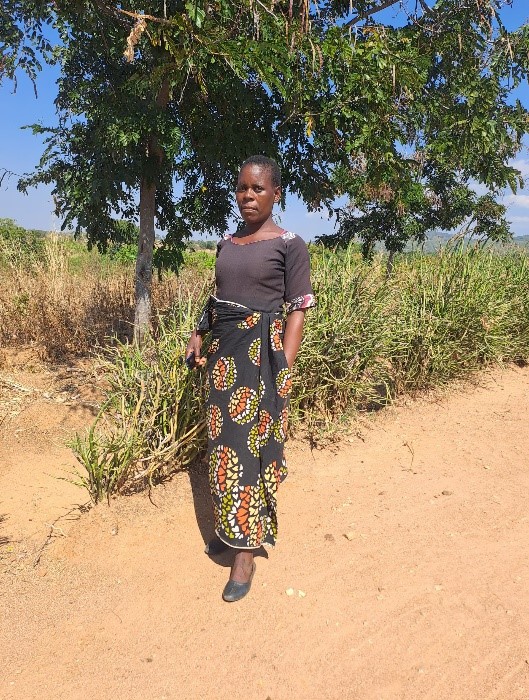
In the remote corners of Nkhotakota Wildlife Reserve, where the wild beauty of nature meets the daily struggles of rural life, Dorothy Daniel’s daily trek to fetch water was far from routine—it was a battle for survival. Every day, Dorothy, a young woman from Matelezi Samba Village in Nkhotakota, Malawi, made her way to a pond deep within the reserve. While this pond was vital for her community, it was fraught with dangers: wild animals roamed freely, and the water itself was often murky and contaminated.
For years, Dorothy and her fellow villagers had no choice but to navigate this hazardous terrain in search of clean water. The village’s primary water source—a small, murky pond located behind their homes—was shared with wildlife, heightening the risks associated with water collection. The journey to fetch water was long and perilous, and the water was often polluted, making it a daily struggle.
The Struggle for Clean Water
Fetching water was not just a necessity for Dorothy; it was a laborious, risky task. The pond, located in the heart of Nkhotakota Wildlife Reserve, was crucial for domestic use, but it came at great cost. Dorothy and other women faced the physical toll of walking long distances with heavy containers, while the threat of encountering wild animals such as elephants and buffaloes added an element of danger.
Moreover, the quality of the water was a constant concern. Shared with wildlife, the ponds often became contaminated, further exacerbating health risks for the community. Due to the vast distance to the water source, children were unable to help with the fetching, leaving women like Dorothy to shoulder the responsibility. This was the harsh reality for the village of Matelezi Samba for many years—until a partnership between the Wildlife and Environmental Society of Malawi (WESM) and the Bridgit Water Foundation brought hope to the community.
A New Dawn: The Borehole Project
In response to the village’s dire water needs, WESM and the Bridgit Water Foundation launched a collaborative initiative to bring sustainable, clean water solutions to Matelezi Samba. The teams worked together to drill and install a borehole, a simple yet transformative solution that would change the lives of Dorothy and her entire community.
As drilling machinery echoed through the village, the villagers gathered around, filled with curiosity and hope. As the borehole deepened into the earth, the promise of clean, accessible water was no longer a distant dream—it was becoming a reality. The moment the borehole was successfully drilled, the community erupted in joy and excitement.
Dorothy, overwhelmed with gratitude, approached the team to express her thanks. The installation of the borehole signified more than just access to water—it represented a brighter future for the entire community.
A Transformational Change
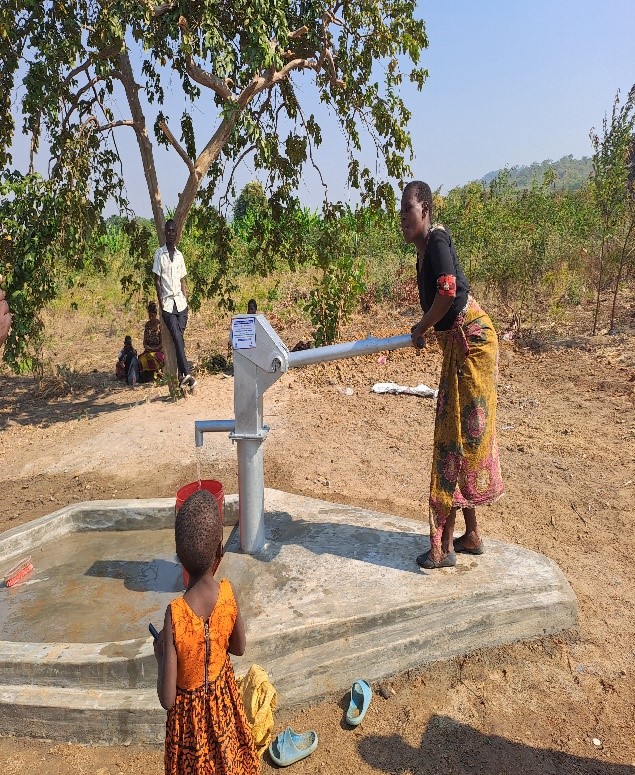
The impact of the borehole was immediate and profound. No longer did villagers need to risk their lives by trekking into the wildlife reserve to fetch water. Instead, they now had access to clean, safe water right within their community. The borehole has not only improved their health and safety but also enhanced the overall well-being of the entire village.
For Dorothy, the difference was clear. The long, exhausting walks were no longer part of her daily routine. The risk of encountering dangerous wildlife was eliminated, and the water was no longer contaminated. This simple change has made life safer and healthier for Dorothy and her neighbors, allowing them more time to focus on other productive activities. Access to clean water is a basic human right, and its arrival in Matelezi Samba has significantly improved the lives of the villagers.
A Ripple of Hope: The Broader Impact
Dorothy’s story is a powerful reminder of the transformative power of community-driven solutions. The installation of the borehole in Matelezi Samba represents much more than just a new water source – it is a beacon of hope for a community that has long struggled with the basic need for clean water. This initiative underscores the importance of sustainable water solutions in rural communities and demonstrates the far-reaching benefits that such projects can have.
With the new water source, the villagers of Matelezi Samba now have the opportunity to invest time and energy in other essential activities. Women and children, no longer burdened by the need to fetch water, can focus on education, work, and community development. The ripple effects of this change will be felt for generations, as better health, increased productivity, and greater safety are realized.
Looking Ahead
Thanks to the collaboration between WESM and the Bridgit Water Foundation, Matelezi Samba Village has entered a new chapter – one in which clean water is no longer a luxury, but a fundamental right. The installation of the borehole has empowered the community, providing a reliable and safe water source that will support the village for years to come.
Dorothy’s journey from the daily dangers of water collection to the joy of access to clean water is a testament to how small yet impactful changes can uplift an entire community. The story of Matelezi Samba is a shining example of what can be achieved when communities, organizations, and partners work together to tackle pressing issues. With clean water now at their doorstep, the people of Matelezi Samba are empowered to take control of their future, embracing the promise of a healthier, safer, and more prosperous life.
Mr. Rasheed Yasin Malandula, the WESM Dwangwa Branch Manager, shared his thoughts on the project, emphasizing its importance: “This borehole is not just a source of water – it’s a symbol of empowerment for the people of Matelezi Samba. By bringing clean water closer to their homes, we’re not only improving health and safety, but we’re also giving the community the opportunity to focus on their livelihoods, education, and future. It’s a transformative step toward sustainability and community well-being.”
This transformative project in Nkhotakota is not just about access to water – it’s about the power of hope, resilience, and sustainable change. The impact of this simple, life-changing initiative will resonate far beyond the village, offering a model for other communities to follow in the pursuit of a brighter, healthier future.